Bridging Pakistan’s Digital Divide: Shehbaz Sharif’s 500,000 Chromebook Initiative
In a televised address on 25 October 2026, Prime Minister Muhammad Shehbaz Sharif unveiled a bold plan to distribute 500,000 Chromebooks to students nationwide over the next two years. The move follows earlier announcements of 250,000 devices per year and signals a sustained effort to modernise education infrastructure. While the initiative is a welcome step toward digital inclusion, its success will depend on how well the government addresses logistical, infrastructural, and pedagogical challenges.
The Chromebook Plan at a Glance
- Total devices: 500,000 Chromebooks
- Distribution period: 2 years (250,000 per year)
- Target recipients: Primary, secondary, and tertiary students across Pakistan
- Funding source: Government budget allocation announced in the 2027 fiscal plan
- Distribution model: Direct hand‑out through schools, with support from provincial education departments
The announcement was accompanied by a live stream on the Prime Minister’s official social‑media channels, where he highlighted the importance of digital tools for modern learning. The plan is positioned as part of a broader “Youth Chromebook Scheme” aimed at high‑achieving students, with the expectation that the devices will be used for both classroom instruction and independent study.
Expected Impact on Digital Literacy
1. Reducing the Digital Gap
Pakistan’s digital divide is stark: rural areas lag behind urban centres in broadband penetration, electricity reliability, and access to computing devices. By providing Chromebooks to a large number of students, the government can:
- Increase device ownership among students who otherwise would have none.
- Encourage regular use of digital platforms for research, collaboration, and creative projects.
- Create a digital learning culture that can spill over into families and communities.
2. Enhancing Educational Outcomes
Research from the Ministry of Federal Education and Professional Training shows that students with reliable access to computers score higher in science and mathematics. The Chromebooks, which run on a lightweight OS and are cloud‑centric, offer:
- Instant access to Google Workspace for Education, facilitating group work and real‑time feedback.
- Built‑in security and parental controls, reducing the risk of inappropriate content.
- Low maintenance requirements, making them suitable for schools with limited IT staff.
3. Supporting Remote and Hybrid Learning
The COVID‑19 pandemic exposed Pakistan’s vulnerability to sudden shifts in teaching modality. Chromebooks can:
- Enable seamless transition to online classes when in‑person attendance is disrupted.
- Provide a consistent learning platform for students across diverse geographic locations.
- Facilitate digital assessments that can be graded automatically, saving teachers time.
Challenges and Risks
Despite the promise, several hurdles could undermine the initiative’s effectiveness.
1. Infrastructure Shortfalls
- Internet connectivity: 70 % of Pakistani households still lack reliable broadband, especially in rural districts.
- Power supply: Frequent outages in many provinces could limit device usage.
- School facilities: Some schools lack adequate computer labs or even basic classroom space.
2. Teacher Preparedness
- Digital pedagogy training is limited; many teachers are unfamiliar with integrating technology into lesson plans.
- Curriculum alignment: Without clear guidelines, students may not use the devices for educational purposes.
3. Device Management and Sustainability
- Maintenance and repair: Chromebooks, while low‑maintenance, still require occasional servicing.
- Security: Ensuring devices are protected against malware and misuse is essential.
- Lifecycle planning: The government must decide how to handle devices that become obsolete or damaged.
4. Equity Concerns
- Selection criteria: The focus on “high‑achieving” students could inadvertently widen existing inequalities.
- Urban‑rural bias: Urban schools may be better positioned to benefit from the devices, leaving rural schools behind.
Implementation Strategy
To mitigate risks, the government should adopt a phased, data‑driven approach:
- Baseline assessment – Map current device ownership, internet penetration, and teacher digital skills across provinces.
- Pilot programmes – Deploy Chromebooks in a representative sample of schools (urban, rural, public, private) to test logistics and training models.
- Teacher training – Partner with local universities and NGOs to deliver workshops on digital pedagogy, curriculum integration, and device maintenance.
- Infrastructure upgrades – Allocate funds for broadband expansion and solar‑powered charging stations where electricity is unreliable.
- Monitoring & evaluation – Set up a dashboard to track device usage, student performance, and teacher feedback, adjusting the rollout as needed.
- Community engagement – Involve parents and local leaders to promote responsible device use and to build a culture of digital literacy.
Next Steps for Stakeholders
| Stakeholder | Action | Timeline |
|---|---|---|
| Federal Ministry of Education | Finalise budget and procurement contracts | Q4 2026 |
| Provincial Education Departments | Identify target schools and coordinate distribution | Q1 2027 |
| School Administrators | Register devices, set up charging points, and schedule training | Q2 2027 |
| Teachers | Attend digital literacy workshops and integrate Chromebooks into lessons | Ongoing |
| NGOs & Private Partners | Provide supplementary training and monitor impact | Ongoing |
These steps will help ensure that the distribution translates into meaningful learning gains rather than just hardware accumulation.
Conclusion
Prime Minister Shehbaz Sharif’s plan to hand out 500,000 Chromebooks represents a significant policy push toward closing Pakistan’s digital divide. If executed with careful attention to infrastructure, teacher readiness, and equitable distribution, the initiative could boost digital literacy, improve academic outcomes, and prepare students for a technology‑driven future. However, without parallel investments in connectivity, power, and professional development, the devices risk becoming underutilised tools. The coming months will reveal whether the government can turn this ambitious vision into a sustainable reality.
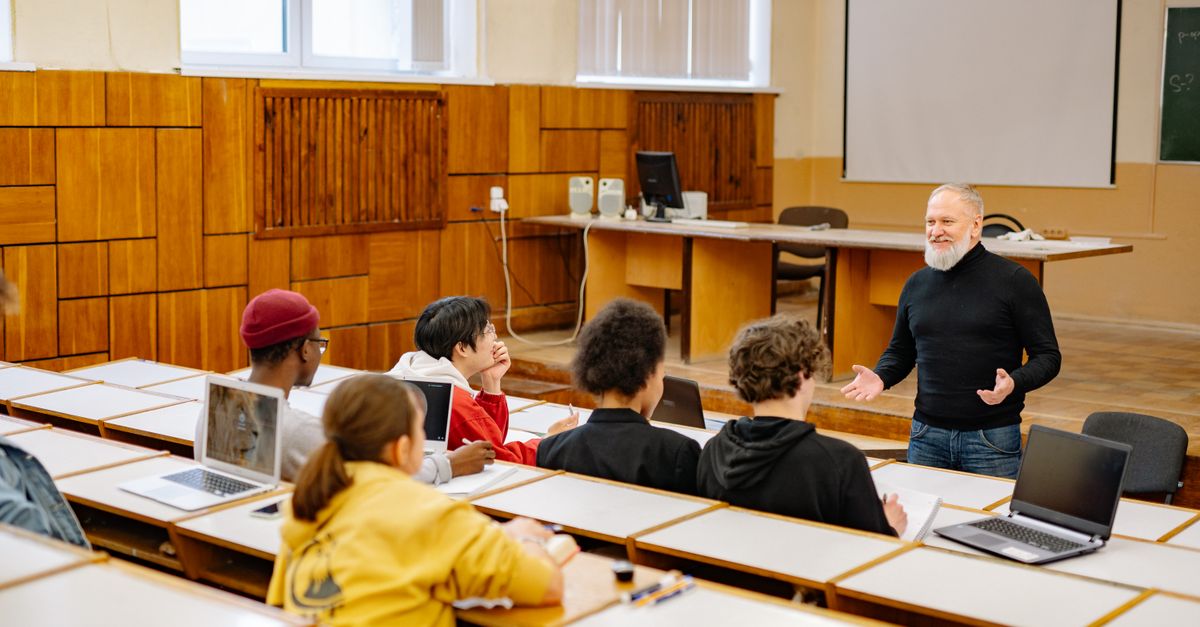
Image Prompt: A classroom in Pakistan with students using Chromebooks, diverse students and a teacher guiding them, modern learning environment, 16:9 aspect ratio, no logos or text.