Central Pakistan Train Derailment: Causes, Casualties, and Safety Lessons
KM Afaq ·
Central Pakistan Train Derailment: Causes, Casualties, and Safety Lessons — Explore the details of the Oct. 13, 2026 train derailment near Multan, the emergency response, and key safety improvements needed for Pakistan’s rail network.
About Central Pakistan Train Derailment: Causes, Casualties, and Safety Lessons
Central Pakistan Train Derailment: Causes, Casualties, and Safety Lessons
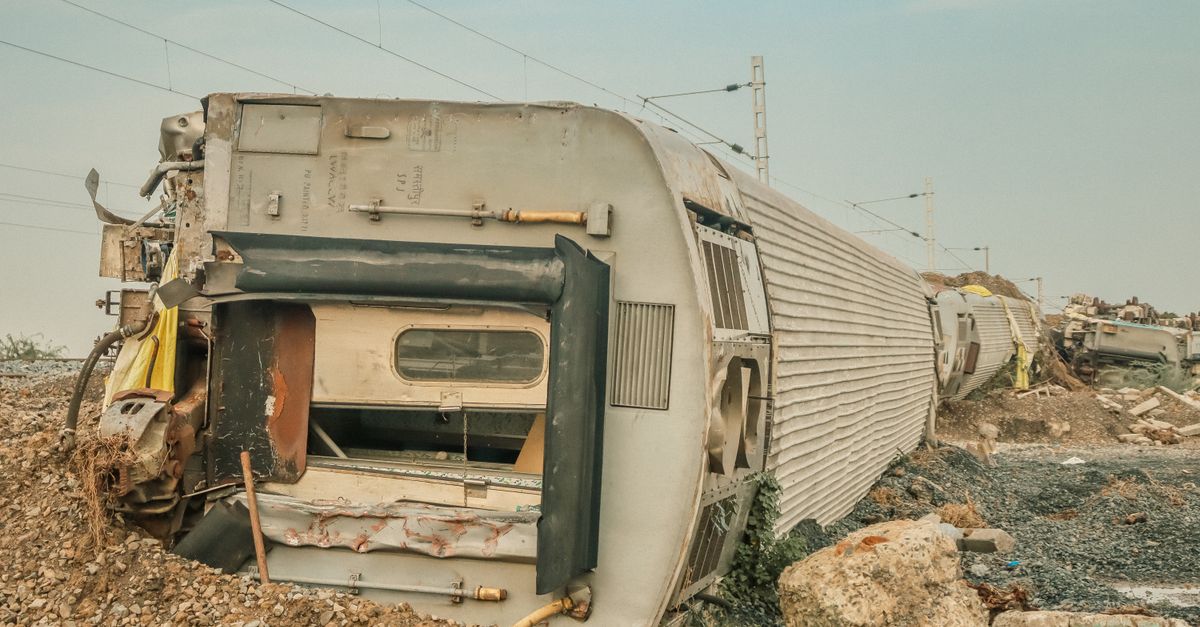
On the morning of 13 October 2026, a passenger train traveling from Karachi to Peshawar slipped off the tracks near Sher Shah, a suburb of Multan in Punjab province. The incident, involving the Rehman Baba Express, resulted in at least five fatalities and more than 30 injuries. The crash unfolded at about 5:15 a.m. local time, when 14 carriages overturned and trapped passengers inside.
The Incident: What Happened
- Train and Route – The Rehman Baba Express, a long‑distance service, was on its way from the southern port city of Karachi to the north‑western city of Peshawar.
- Location – The derailment occurred near Sher Shah railway station, on the main line that passes through the Multan district.
- Casualties – Police and Pakistan Railways officials confirmed five deaths and more than 30 injuries, many of them serious.
- Physical Damage – All 14 carriages derailed; several overturned, creating a chaotic scene with passengers trapped in twisted metal.
Immediate Response and Rescue Operations
- Rescue 1122 – Pakistan’s emergency response agency deployed medical teams and volunteers to the scene, removing bodies and assisting injured passengers.
- Police Presence – Law enforcement secured the area, preventing looting and ensuring the safety of bystanders.
- Medical Care – On‑site first aid was provided, followed by transport of the wounded to nearby hospitals in Multan.
- Volunteer Efforts – Local residents and railway staff joined rescue teams, demonstrating community solidarity in the aftermath.
Investigating the Cause
Pakistan Railways has launched an investigation to determine why the train left the tracks. Early statements from the railway spokesman, Kaleem Akhtar, indicated that the cause was still under review. Possible factors under scrutiny include:
- Track Conditions – Wear, misalignment, or structural defects.
- Speed Limits – Whether the train was traveling above the permissible speed for that section.
- Signalling Systems – Potential failures in the automatic signalling that guides train movements.
- Maintenance Records – Recent inspections and upkeep of the affected track segment.
At this stage, no definitive cause has been announced, and the investigation is ongoing.
Pakistan’s Railway Safety Landscape
Pakistan’s rail network, operated by Pakistan Railways, spans over 11,000 km of track. Despite its importance for freight and passenger movement, the system has faced recurring safety challenges:
- Aging Infrastructure – Many tracks and bridges were built during the colonial era and have not received adequate upgrades.
- Funding Constraints – Limited budgets for maintenance and modernization.
- Human Resource Gaps – Insufficient training for drivers and maintenance crews.
- Technological Lag – Slow adoption of advanced safety technologies such as automatic train protection (ATP).
The Multan derailment underscores the need to address these systemic issues, especially as passenger confidence in rail travel has been eroding.
Recommendations for Safety Improvements
To prevent future accidents and restore public trust, a multi‑layered approach is essential. Key recommendations include:
-
Regular Track Inspections
- Conduct systematic surveys using track‑geometry cars and ultrasonic testing.
- Implement a scheduled maintenance calendar that prioritises high‑traffic sections.
-
Speed Management
- Enforce strict speed limits, particularly in areas with known track vulnerabilities.
- Deploy real‑time speed monitoring devices on locomotives.
-
Upgraded Signalling
- Replace outdated mechanical signals with modern colour‑light and interlocking systems.
- Introduce fail‑safe signalling that automatically halts trains if a fault is detected.
-
Driver and Crew Training
- Offer continuous professional development courses covering emergency procedures, speed discipline, and track‑condition awareness.
- Conduct simulation drills that mimic derailment scenarios.
-
Technology Integration
- Install track‑side monitoring sensors that detect misalignments or defects.
- Deploy GPS‑based train‑tracking to provide real‑time location data.
- Consider adopting Automatic Train Protection (ATP) systems that can intervene if a train exceeds safe operating parameters.
-
Safety Audits and Accountability
- Perform independent safety audits every two years.
- Establish clear accountability mechanisms for maintenance lapses.
-
Community Engagement
- Encourage local communities to participate in safety awareness campaigns.
- Provide transparent updates on investigation findings to keep the public informed.
Practical Implications for Passengers and the Economy
- Travel Disruption – The derailment caused significant delays on the Karachi‑Peshawar corridor, affecting thousands of commuters and freight shipments.
- Economic Cost – Beyond immediate medical expenses, the incident likely incurred losses in cargo transport and tourism revenue.
- Psychological Impact – Survivors and families of the deceased face long‑term trauma, emphasizing the need for mental health support.
- Public Confidence – Repeated accidents erode trust in rail travel, potentially shifting passengers toward road or air transport, which may increase congestion and emissions.
Addressing these implications requires a coordinated effort between government agencies, railway authorities, and the private sector.
Conclusion
The derailment of the Rehman Baba Express near Multan serves as a stark reminder of the vulnerabilities within Pakistan’s railway system. While the investigation has yet to pinpoint a specific cause, the incident highlights several recurring issues: aging track infrastructure, limited funding, and gaps in training and technology. Implementing the recommended safety measures—regular inspections, speed control, modern signalling, driver training, and advanced monitoring—can significantly reduce the risk of future accidents.
For passengers, these improvements mean safer journeys and restored confidence in rail travel. For the economy, a safer rail network translates into smoother freight operations and reduced logistical costs. Ultimately, the tragedy underscores that safety must be a priority, not a privilege, in Pakistan’s critical transportation sector.
Image Description: A somber train derailment scene at dawn near a rural station in Pakistan, with overturned carriages and emergency responders, 16:9 aspect ratio, no text, no logos.
Original source or publisher — consult this source for current information.