Consulting Provinces on Wheat Prices: What It Means for Farmers, Consumers and the Fight Against Hoarding
KM Afaq ·
Consulting Provinces on Wheat Prices: What It Means for Farmers, Consumers and the Fight Against Hoarding — Explore how Pakistan’s new wheat‑price policy, involving provincial consultation, will affect farmers, consumers and hoarding practices.
About Consulting Provinces on Wheat Prices: What It Means for Farmers, Consumers and the Fight Against Hoarding
Consulting Provinces on Wheat Prices: What It Means for Farmers, Consumers and the Fight Against Hoarding
Prime Minister Shehbaz Sharif’s recent remarks at the National Agricultural and Food Security Council meeting in Islamabad highlighted two key points: wheat is plentiful enough to meet domestic demand, and the government will consult provincial authorities before fixing the price. The decision is aimed at ensuring fair compensation for farmers, affordable flour for consumers, and a crackdown on hoarders. In this article we break down the policy, examine its practical implications, and outline what stakeholders should watch next.
1. The PM’s Core Messages
- Abundance of wheat – The PM confirmed that the country’s wheat harvest is sufficient to satisfy national needs.
- No leniency for hoarders – He warned that those who store excess grain for profit will face strict enforcement.
- Provincial consultation – The price of wheat will be set only after a consultation with provincial governments, especially Punjab, Sindh, Khyber‑Pakhtunkhwa and Balochistan.
- Fair price for farmers – The government stresses that a correct price must be determined before sowing so that farmers receive adequate returns for their labour.
These statements come amid a broader push to strengthen agriculture as the backbone of Pakistan’s economy and to curb price volatility that has historically hurt both producers and consumers.
2. How the Consultation Process Works
The National Agricultural and Food Security Council (NAFSC) is the platform where federal and provincial representatives discuss policy. The PM’s announcement indicates a shift from a top‑down price setting to a more collaborative model:
| Step | Description |
|---|---|
| 1 | Data sharing – Provincial ministries provide harvest forecasts, storage capacity and market trends. |
| 2 | Stakeholder meetings – Farmers’ associations, cooperatives and private traders present concerns. |
| 3 | Price recommendation – The council drafts a provisional price based on supply‑demand dynamics and cost of production. |
| 4 | Final approval – The federal cabinet ratifies the recommendation before announcing the official price. |
The process is designed to reflect regional variations in production costs and market conditions, potentially leading to a more balanced price structure.
3. Implications for Farmers
3.1. Potential Benefits
- Higher and more predictable incomes – A price set with provincial input may better reflect local cost of production, reducing the risk of farmers receiving a price that is too low.
- Incentive to increase output – If the price is perceived as fair, farmers may be encouraged to invest in better seeds, fertilizers and irrigation.
- Reduced price volatility – Provincial data can help smooth out sudden price swings that often occur when national policy is imposed without local context.
3.2. Possible Risks
- Delays in price announcement – The consultation process could take weeks, leaving farmers uncertain about the selling price for their upcoming harvest.
- Regional disparities – If provinces disagree on price levels, some regions might end up with higher or lower prices than others, potentially creating inequities.
- Implementation gaps – Even with a fair price, farmers still need access to credit, inputs and market linkages to realize the benefits.
3.3. Actionable Steps for Farmers
- Join local cooperatives – Collective bargaining can amplify farmers’ voices in provincial meetings.
- Track policy updates – Subscribe to NAFSC announcements or provincial agriculture newsletters.
- Plan for storage – If the price is set before sowing, farmers can better decide whether to store grain or sell immediately.
4. Implications for Consumers
4.1. Expected Outcomes
- Stable flour prices – A price that reflects true production costs can prevent sharp increases in flour prices, which directly affect household budgets.
- Increased supply security – By discouraging hoarding, the policy aims to keep grain in circulation, reducing shortages.
4.2. Potential Challenges
- Short‑term price spikes – If the price is raised to match farmers’ costs, consumers may see a temporary rise in flour prices.
- Regional price differences – Provinces may set slightly different prices, leading to uneven cost of living across the country.
4.3. What Consumers Can Do
- Monitor local markets – Keep an eye on flour price changes in your area.
- Support local producers – Buying directly from farmers or through cooperatives can help keep prices fair.
- Advocate for transparency – Engage with consumer rights groups to demand clear communication on price setting.
5. Tackling Hoarding: Enforcement and Incentives
The PM’s vow to leave no leniency for hoarders signals a stronger regulatory stance. Key measures likely to be pursued include:
- Regular inspections – Government inspectors will visit storage facilities to verify compliance.
- Penalties for illegal stockpiling – Fines or confiscation of excess grain may be imposed.
- Incentives for timely sales – Farmers who sell their grain promptly could receive tax breaks or priority in procurement contracts.
While enforcement is crucial, the policy also needs to address the root causes of hoarding, such as lack of storage infrastructure and uncertain price forecasts.
6. Risks and Limitations
| Risk | Impact | Mitigation |
|---|---|---|
| Political disagreement | Delays in price setting | Clear timelines and dispute‑resolution mechanisms in the NAFSC charter |
| Data reliability | Inaccurate price recommendations | Strengthen provincial data collection and verification processes |
| Market manipulation | Hoarders exploiting loopholes | Tighten regulatory oversight and increase penalties |
| Consumer backlash | Public protests if prices rise sharply | Implement phased price adjustments and provide subsidies for low‑income households |
7. Next Steps for Stakeholders
- Provincial governments – Prepare detailed supply‑chain reports and engage with farmer groups.
- Farmers’ associations – Advocate for fair prices and better input access.
- Consumers – Stay informed and support local supply chains.
- Regulatory bodies – Strengthen inspection protocols and ensure transparent enforcement.
- Policy makers – Monitor the impact of the new pricing mechanism and adjust as needed.
8. Conclusion
Prime Minister Shehbaz Sharif’s decision to involve provinces in wheat price setting marks a significant shift toward a more inclusive and responsive policy framework. For farmers, it promises fairer compensation and reduced price uncertainty; for consumers, it aims to keep flour affordable and curb shortages; and for the state, it strengthens the fight against hoarding. The success of this approach will hinge on timely data sharing, transparent decision‑making, and robust enforcement. As the consultation process unfolds, all stakeholders must remain engaged to ensure that the policy delivers on its promise of a balanced and resilient wheat market.
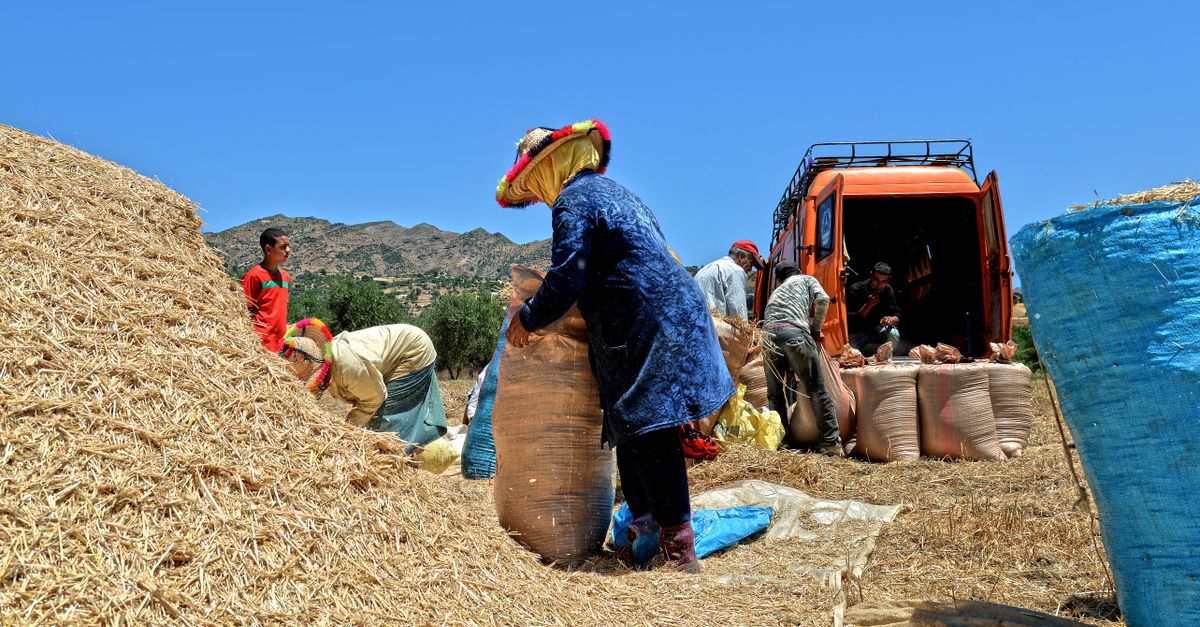
Image Prompt: A modern wheat field under a clear blue sky, with a farmer inspecting grain sacks, symbolizing agriculture and price stability, 16:9 aspect ratio
Original source or publisher — consult this source for current information.