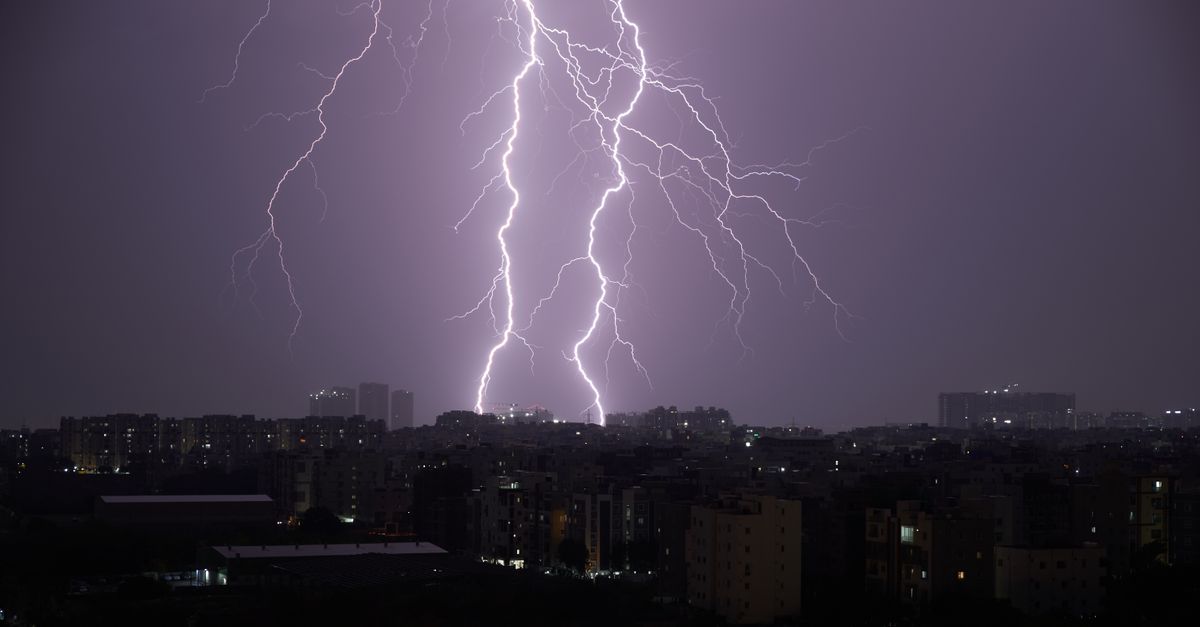
Hyderabad Faces Cyclone Arnab: Weather Warnings, Potential Damage, and Preparedness Measures
Cyclone Arnab, classified as a very severe cyclonic storm by the India Meteorological Department (IMD), is tracking toward the eastern coast of India and is expected to bring heavy to extremely heavy rainfall to the Telangana region, including Hyderabad. The storm’s strong winds, sustained at 115–125 km/h with gusts up to 140 km/h, have already triggered yellow alerts in four districts and heavy‑rain forecasts in four more. The city’s residents, businesses, and local authorities need to understand the potential damage and take proactive measures.
What is Cyclone Arnab?
- Classification: Very Severe Cyclonic Storm
- Current intensity: 115–125 km/h sustained, gusts up to 140 km/h
- Projected path: West‑north‑westward movement toward the Andhra Pradesh coast, with a likely landfall near Yanam between Bapatla and Visakhapatnam by the forenoon of 28 October 2026
- Rainfall forecast: Heavy to extremely heavy rainfall across four Telangana districts; yellow alerts in four additional districts
The IMD has issued a “very severe” warning for the region, and the Indian Meteorological Department’s latest bulletin confirms that the system is intensifying as it approaches the coast.
Current Weather Warnings for Hyderabad
The latest advisories from the IMD and local meteorological offices indicate:
- Yellow alert for Hyderabad and surrounding districts on 28 October
- Heavy‑rain forecast for the next 24 hours, with potential rainfall totals exceeding 200 mm in some areas
- Temperature drop across Telangana, with a dip of 2–3 °C expected due to the cyclone’s influence
- Wind speeds in the 40–60 km/h range over the city, increasing to 80–100 km/h in low‑lying areas as the storm approaches
Residents should monitor local radio, television, and the IMD’s mobile app for real‑time updates.
Potential Impact on Infrastructure
Hyderabad’s infrastructure faces several risks from the impending storm:
- Flooding: Low‑lying neighborhoods, especially around the Musi River and the old city, could experience flash floods due to heavy rainfall and saturated soils.
- Road and rail disruptions: Saturated soils and potential landslides could damage road surfaces and railway tracks, leading to traffic congestion and service interruptions.
- Electrical grid strain: Strong winds may damage power lines, causing outages that could last several hours.
- Water supply: Contamination risks increase when floodwaters mix with municipal water sources, potentially affecting drinking water quality.
- Public transport: Bus and metro services may be delayed or suspended if tracks or stations are affected by water or wind damage.
The city’s drainage system, which has struggled during past monsoon events, will be under significant pressure. Any failure in pumping stations could exacerbate flooding.
Agricultural Risks
Hyderabad’s surrounding districts are home to a mix of irrigated and rain‑fed farms. The cyclone poses the following threats to agriculture:
- Crop damage: Heavy rains and high winds can break stems, damage fruit, and erode topsoil, leading to yield losses.
- Pest and disease outbreaks: Stagnant water creates breeding grounds for mosquitoes and other pests, potentially increasing crop diseases.
- Irrigation infrastructure: Water canals, pumps, and storage facilities may be damaged, disrupting irrigation schedules.
- Market disruptions: Flooded roads can delay the transport of produce to markets, affecting prices and farmer incomes.
Farmers in the affected districts should secure loose equipment, cover sensitive crops, and prepare contingency plans for post‑storm recovery.
Preparedness Measures for Residents
Residents can reduce risk and protect themselves by following these steps:
- Secure loose objects: Move or secure outdoor furniture, umbrellas, and garden tools that could become projectiles.
- Check emergency supplies: Keep a supply of bottled water, non‑perishable food, flashlights, batteries, and a first‑aid kit.
- Know evacuation routes: Identify the nearest shelters and the safest routes to reach them.
- Avoid floodwater: Never cross flooded streets or streams; even a few meters of water can be dangerous.
- Stay indoors: If advised to stay inside, remain away from windows and glass doors.
- Monitor official channels: Use the IMD app, local news, and government hotlines for the latest instructions.
If you live in a high‑risk area, consider temporary relocation to a safer location until the storm passes.
Preparedness Measures for Businesses and Local Authorities
Businesses and municipal bodies can adopt the following actions:
- Risk assessment: Map flood‑prone zones on company premises and identify critical assets that could be affected.
- Protect infrastructure: Install temporary windbreaks, secure rooftop equipment, and reinforce drainage outlets.
- Backup power: Ensure generators are functional and fuel supplies are adequate.
- Employee safety: Develop a clear evacuation plan, provide training on emergency protocols, and maintain communication channels.
- Supply chain resilience: Diversify transport routes and maintain buffer stocks of essential goods.
- Coordination with authorities: Liaise with the Hyderabad Municipal Corporation and the Telangana Disaster Management Authority to align on relief efforts.
Municipal authorities should:
- Activate emergency response teams for rapid damage assessment.
- Deploy additional water‑pumping capacity to prevent drainage failures.
- Set up temporary shelters in community centers and schools.
- Coordinate with the police to secure traffic flow and prevent looting.
Monitoring and Information Sources
Reliable information is crucial for timely decision‑making. Key sources include:
- India Meteorological Department (IMD) – official weather bulletins, mobile app, and website
- Telangana State Disaster Management Authority – local advisories and evacuation orders
- Hyderabad Municipal Corporation – updates on water supply, drainage, and public works
- Local media – radio, TV, and reputable online news outlets such as The Hindu, Times of India, and New Indian Express
- Community networks – WhatsApp groups, local NGOs, and neighborhood associations
Staying informed through multiple channels reduces the risk of misinformation and ensures residents receive accurate guidance.
Conclusion
Cyclone Arnab’s arrival over Hyderabad is a reminder that even a city located inland can experience significant weather‑related hazards. Heavy rainfall, wind damage, and flooding threaten both the city’s infrastructure and the livelihoods of surrounding farmers. By understanding the specific risks and following the preparedness steps outlined above, residents, businesses, and authorities can mitigate damage, protect lives, and accelerate recovery once the storm passes.
Takeaway: Stay alert, secure your property, and coordinate with local authorities to navigate the challenges posed by Cyclone Arnab.