ICC Reprimands West Indies’ Sherfane Rutherford and Rovman Powell: Implications Ahead of the India Series
KM Afaq ·
ICC Reprimands West Indies’ Sherfane Rutherford and Rovman Powell: Implications Ahead of the India Series — ICC reprimands Sherfane Rutherford and Rovman Powell after a T20I loss to India. Explore the impact on West Indies’ squad and key lessons on player conduct.
About ICC Reprimands West Indies’ Sherfane Rutherford and Rovman Powell: Implications Ahead of the India Series
Introduction
The third Twenty20 International between India and the West Indies ended in a narrow defeat for the Caribbean side. In the aftermath, the International Cricket Council (ICC) announced written reprimands for two West Indian players – Sherfane Rutherford and Rovman Powell – citing a breach of the ICC Code of Conduct. While the sanction does not bar either player from selection, it raises questions about discipline, team balance, and the message it sends to emerging cricketers.
This article provides a detailed look at the ICC’s disciplinary action, analyses how it could affect the West Indies squad ahead of the forthcoming ODI and T20I series against India, and draws broader lessons about player conduct in the modern game.
What the ICC Said
- Nature of the breach: The ICC’s disciplinary panel classified the conduct of Rutherford and Powell as a breach of the Code of Conduct under the “unsporting behaviour” clause. The exact wording in the panel’s statement referred to “behaviour that brought the game into disrepute” during the post‑match press conference.
- Sanction: Both players received a written reprimand – a Level 1 sanction that serves as a formal warning. No fine, suspension, or match‑play ban was imposed.
- Future implications: The ICC warned that any repeat offence could attract harsher penalties, including fines, suspension of match fees, or a ban from future fixtures.
“A written reprimand is a serious reminder that the ICC expects all international players to uphold the spirit of the game,” the panel’s release read.
The Match Context
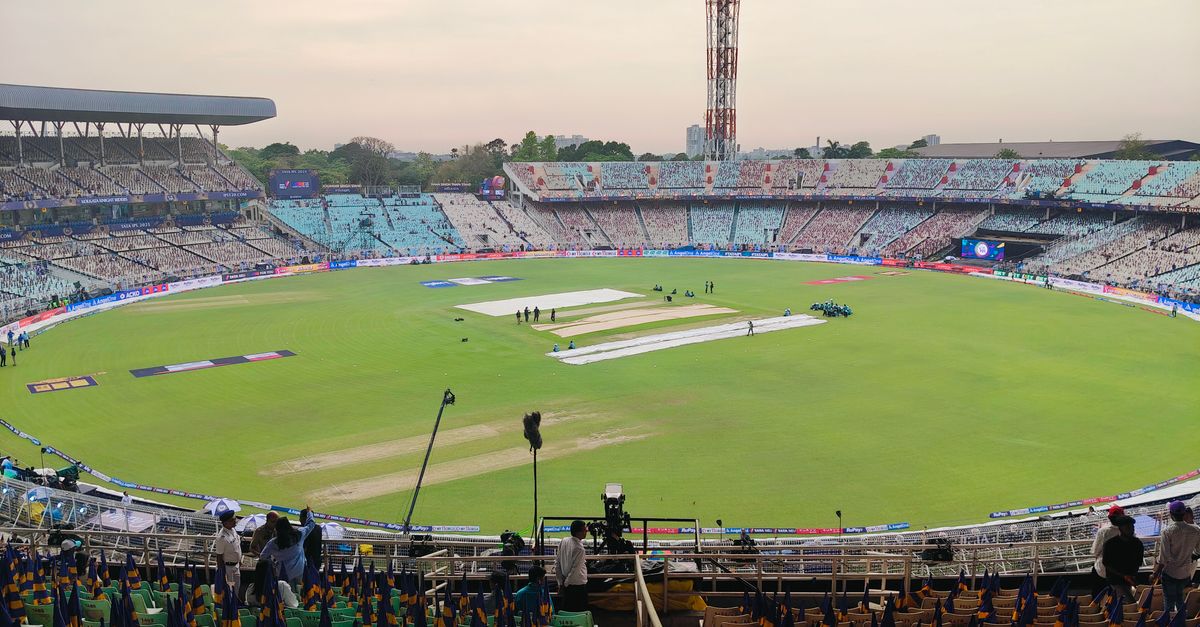
The 3rd T20I, played at a packed venue in India, saw the West Indies chase a steep target. Highlights included:
- Shai Hope (captain) scoring a blistering 102* off 45 balls, anchoring the innings.
- Sherfane Rutherford contributing a rapid 84 off 37 balls, hitting seven fours and seven sixes.
- Rovman Powell adding 24 off 13 balls before being dismissed in the 5.1 over.
Despite the fireworks, the side fell short by a narrow margin, and emotions ran high in the post‑match press conference, leading to the conduct breach.
Impact on the West Indies Squad
Player Roles and Team Balance
| Player | Primary Role | Recent Form (T20I) | Potential Impact of Reprimand |
|---|---|---|---|
| Sherfane Rutherford | Batting all‑rounder (middle‑order) | 84 (37) vs India, strong strike rate | No selection ban, but added pressure to maintain discipline. |
| Rovman Powell | Middle‑order batsman & part‑time bowler | 24 (13) vs India, occasional wicket‑taking | Same as above; team management may monitor behaviour closely. |
Both players are integral to the West Indies’ middle order and provide depth with the ball. Their continued presence in the squad suggests that the reprimand is a behavioral correction rather than a performance penalty.
Upcoming Fixtures
- ODI Series (Sept 27 – Oct 18): Five ODIs across eight Indian cities. The squad announced by Cricket West Indies includes both Rutherford and Powell, indicating that the board does not intend to drop them.
- T20I Series (Five matches): The same core group will contest the remaining T20Is. With the ICC’s warning, the team management is likely to stress composure during press interactions and on‑field conduct.
Tactical Considerations
- Batting Depth: Losing either player would force the West Indies to promote a less experienced batsman (e.g., Kamil Pooran or Romario Shepherd) into the middle order.
- Bowling Options: Powell’s occasional medium‑pace overs provide a useful third bowling option; his absence would increase the workload on primary bowlers like Alzarri Joseph and Keemo Paul.
- Team Morale: A public reprimand can serve as a wake‑up call, prompting senior players to model calm behaviour and reduce the risk of further disciplinary action.
Broader Lessons on Player Conduct
1. The ICC’s Code of Conduct Is Not Just Formality
The ICC’s Code of Conduct covers four levels of breach, ranging from Level 1 (minor) to Level 4 (serious). While a written reprimand is the lightest sanction, it is recorded on a player’s disciplinary file and can influence future decisions on fines or bans.
2. Media Interactions Matter
Post‑match press conferences are high‑pressure moments. Players are expected to answer questions succinctly, avoid confrontational language, and respect the host nation’s media. A lapse can quickly become a headline, as seen with Rutherford and Powell.
3. Leadership Sets the Tone
Captains and senior players must lead by example. Shai Hope’s calm demeanor during the same press conference contrasted sharply with the two reprimanded players, underscoring the importance of measured responses.
4. Repercussions Extend Beyond the Individual
A breach can affect the entire dressing room:
- Team cohesion may suffer if teammates feel a player’s behaviour reflects poorly on the group.
- Sponsor perception can be impacted, especially for a side like the West Indies that relies heavily on commercial partnerships.
- Selection scrutiny: While the reprimand itself does not ban a player, selectors may weigh discipline alongside performance when finalising squads.
5. Constructive Path Forward
- Team workshops on media handling and emotional intelligence can reduce future incidents.
- Clear internal guidelines from Cricket West Indies (CWI) that align with ICC expectations.
- Mentorship: Pair younger players with veterans who have navigated high‑pressure environments successfully.
What West Indies Can Do Next
- Re‑affirm the Code: CWI should circulate a concise briefing on the ICC Code of Conduct to all contracted players before the next series.
- Monitor Behaviour: Assign a senior staff member to attend press conferences and provide immediate feedback.
- Leverage the Reprimand: Use the written warning as a teaching moment rather than a punitive one; encourage Rutherford and Powell to publicly acknowledge the mistake and commit to improvement.
- Maintain Squad Stability: Keep both players in the lineup to preserve the team’s balance, while ensuring they understand the stakes of repeated breaches.
Conclusion
The ICC’s written reprimands to Sherfane Rutherford and Rovman Powell serve as a reminder that behaviour off the field is as important as performance on it. While the sanction does not immediately threaten their places in the upcoming India series, it places a spotlight on discipline, media handling, and the broader culture within West Indies cricket. By addressing the issue proactively, the team can turn a potentially disruptive incident into an opportunity for growth, ensuring that the focus remains on winning cricket rather than off‑field controversy.
For more analysis on ICC regulations and West Indies cricket, stay tuned to KM Afaq’s blog.
Original source or publisher — consult this source for current information.