India’s New Zealand Tour Delayed: How Player Injuries Could Shape the Squad and Performance
KM Afaq ·
India’s New Zealand Tour Delayed: How Player Injuries Could Shape the Squad and Performance — India’s New Zealand tour squad is delayed due to injuries. Explore the impact on selection, team balance and how it may affect India’s chances in T20, ODI and Test matches.
About India’s New Zealand Tour Delayed: How Player Injuries Could Shape the Squad and Performance
India’s New Zealand Tour Delayed: How Player Injuries Could Shape the Squad and Performance
India’s cricket calendar is packed, and the forthcoming tour of New Zealand is no exception. The schedule will feature a five‑match T20 series, followed by five ODIs and two Tests, starting on 22 October. However, the Board of Control for Cricket in India (BCCI) has announced that the final squad selection will be postponed because of a string of injuries among key players. This delay raises questions about team balance, depth and the overall prospects of the side in all three formats.
Key Injury Concerns
| Player | Role | Injury | Current Status | Impact on Selection |
|---|---|---|---|---|
| Prasidh Krishna | Fast bowler | Hamstring strain | Out of current squad | Delay in naming the ODI and Test squads |
| Rishabh Pant | Wicket‑keeper | Back spasms | Fitness‑pending | Potential exclusion from India A and the main squad |
| Ishan Kishan | Wicket‑keeper/ batsman | – | Back in red‑ball conversation | May be omitted from India A series |
| Mukesh Kumar | Fast bowler | – | In contention for T20s | Possible inclusion in the main squad |
| Bhuvneshwar Kumar | Fast bowler | – | Returning to T20 side | Could be a key pick for the T20 series |
Prasidh Krishna’s hamstring injury is the most immediate cause of the selection delay. He was only able to bowl five overs in a Guwahati match before the strain forced him out. Without a reliable pacer of his calibre, the BCCI’s selection committee, headed by interim chief selector Pragyan Ojha, is taking extra time to assess alternatives.
Rishabh Pant’s back spasms, discovered after the Irani Cup, mean he has not yet reported to the BCCI Centre of Excellence for a clean bill of health. Since he is the first‑choice wicket‑keeper, his fitness status is pivotal for the squad’s balance.
How the Delays Affect Team Balance
1. Bowling Resources
India traditionally relies on a mix of seam and spin across formats. With Krishna out, the side will need to look at other fast bowlers such as Mukesh Kumar, Mayank Yadav or even a younger pacer from the India A circuit. The absence of a proven wicket‑taker could affect the team’s ability to take early wickets in the T20s and maintain pressure in the ODIs.
2. Wicket‑Keeping Options
Pant’s uncertain fitness leaves the BCCI with two options: either bring in a backup keeper like Dhruv Jurel, who is currently captaining the India A side, or rely on a specialist keeper such as Rishabh Pant if he recovers in time. The decision will influence batting depth, as Pant is a valuable middle‑order contributor.
3. Batting Depth
Ishan Kishan’s potential omission from the India A series could limit the BCCI’s ability to test his red‑ball form. However, his inclusion in the main squad would add a dynamic opener capable of handling the New Zealand conditions. The selectors must weigh his recent form against the need for a stable top‑order.
Practical Implications for Players and Management
- Fitness Monitoring: The BCCI will likely intensify medical checks for all players in the India A squad, especially those earmarked for the main tour. Early detection of injuries can prevent last‑minute withdrawals.
- Training Camps: A focused training camp in India before the tour could help players adapt to sub‑continental conditions and allow selectors to evaluate combinations.
- Reserve List: The board may name a reserve list of players who can be called up if injuries persist. This list would probably include young fast bowlers and backup wicket‑keepers.
- Communication with Players: Transparent updates about selection criteria and fitness expectations will reduce speculation and keep players focused.
Risks and Limitations
- Limited Test Experience: If the squad is built around a few experienced players, the side may lack depth for the two Test matches. This could expose the team to fatigue and injuries during the long series.
- Inconsistent Bowling Attack: Relying on a small group of fast bowlers increases the risk of over‑use and injury, especially in the New Zealand climate where pitches can be variable.
- Batting Instability: The absence of a proven wicket‑keeper batsman like Pant could weaken the middle order, making it harder to chase or set competitive totals.
Actionable Next Steps for the BCCI
- Finalize a Short‑Term Injury List: Publish a list of players currently injured and the expected recovery timeline.
- Expand the India A Squad: Include a broader range of fast bowlers and wicket‑keepers to give selectors more options.
- Set Clear Selection Benchmarks: Define performance metrics (e.g., overs bowled, runs scored, keeper catches) that players must meet to secure a place.
- Engage Specialist Coaches: Bring in spin specialists and batting coaches to work with players on handling New Zealand conditions.
- Plan for Contingencies: Prepare a contingency plan for each format, outlining which players will be dropped if injuries do not heal.
What Fans and Stakeholders Should Expect
While the delay is inconvenient, it is not uncommon in international cricket. Historically, teams have successfully reshuffled their line‑ups after injury setbacks. The key will be how quickly the BCCI can secure a balanced squad that can adapt to the diverse demands of the New Zealand tour.
For Fans
- Keep an eye on the official BCCI releases for the final squad announcement.
- Follow the India A series to gauge which players are performing well and might be called up.
For Players
- Focus on rehabilitation and conditioning to avoid further setbacks.
- Use the India A series as a platform to prove readiness for the main tour.
Conclusion
India’s upcoming tour of New Zealand is delayed because of injuries to pivotal players such as Prasidh Krishna and Rishabh Pant. These setbacks threaten to disrupt the team’s bowling balance, wicket‑keeping options and batting depth. By intensifying fitness monitoring, expanding the reserve list and communicating selection criteria clearly, the BCCI can mitigate risks and assemble a competitive squad. The final outcome will depend on the recovery of injured players and the selectors’ ability to craft a balanced team that can thrive across T20, ODI and Test formats.
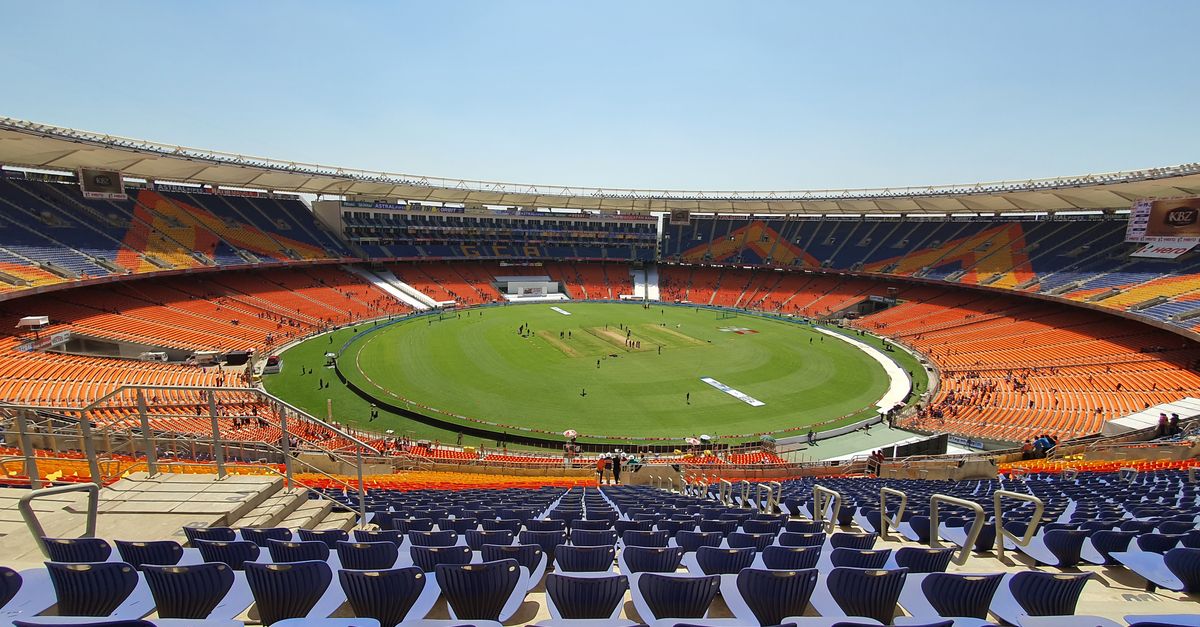
Image prompt: A modern cricket stadium under a clear sky, with a subtle horizon line, 16:9 aspect ratio, no logos or text, focusing on the field and players in action.
Original source or publisher — consult this source for current information.