Iranian Shipping Attacks in the Strait of Hormuz: Global Shipping Impact and Pakistan’s Maritime Security
KM Afaq ·
Iranian Shipping Attacks in the Strait of Hormuz: Global Shipping Impact and Pakistan’s Maritime Security — Explore how Iranian attacks on the Strait of Hormuz affect global shipping and what Pakistan can do to protect its maritime security.
About Iranian Shipping Attacks in the Strait of Hormuz: Global Shipping Impact and Pakistan’s Maritime Security
Iranian Shipping Attacks in the Strait of Hormuz: Global Shipping Impact and Pakistan’s Maritime Security
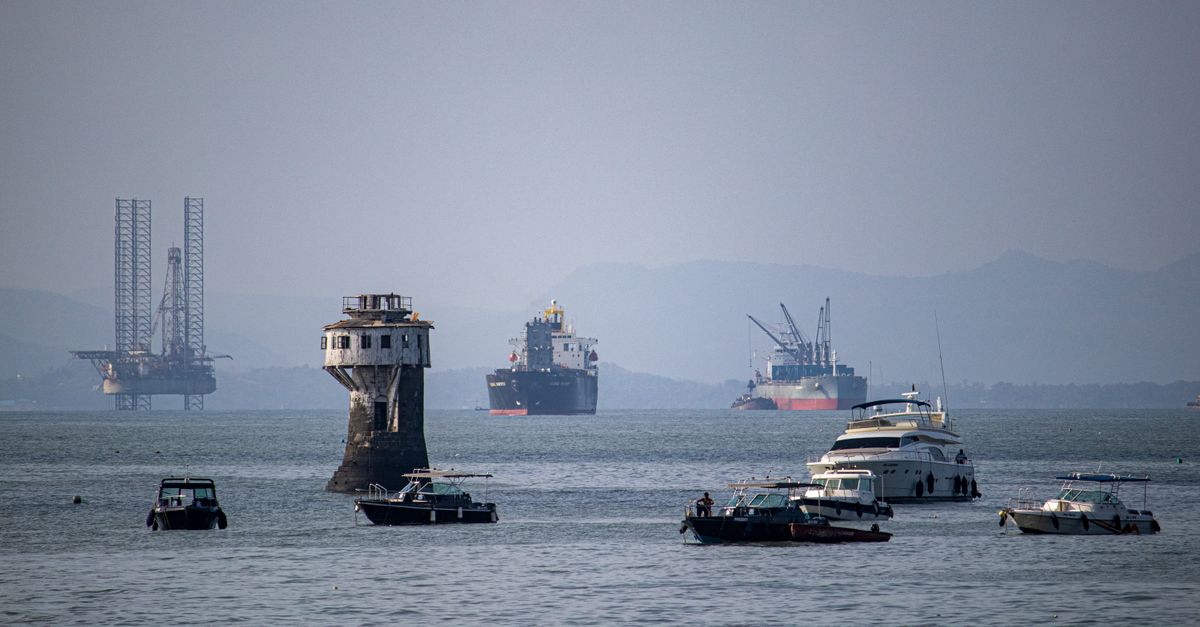
The Strait of Hormuz, a narrow waterway that connects the Persian Gulf to the Arabian Sea, is one of the world’s most critical maritime chokepoints. In mid‑October 2026, a series of attacks by Iran’s Islamic Revolutionary Guard Corps (IRGC) on commercial vessels intensified fears of a wider conflict that could cripple global oil supply and threaten the security of nearby nations, including Pakistan.
Background of the Strait
- Geography: The strait is roughly 21 km wide at its narrowest point and lies between Iran’s Khuzestan province and the United Arab Emirates.
- Strategic value: About 20 % of the world’s crude oil passes through the strait each year. Any disruption can ripple through global markets.
- Historical tensions: The corridor has long been a flashpoint between Iran and the United States, with periodic blockades and navigation disputes. Notable incidents include the 2019 U.S. Navy seizure of the Iranian oil tanker Al Shamal and the 2020 U.S. missile strike on an Iranian naval vessel in the Gulf of Oman.
Recent Escalation: Key Incidents
On 17 October 2026, the IRGC reported that three tankers were struck in the Hormuz area. The most dramatic event involved a supertanker carrying more than 2 million barrels of crude that exploded after hitting a naval mine, as reported by Euronews. A container ship with over 2,500 containers was also said to have sunk after striking a mine, according to IRGC statements and corroborated by a British security firm.
These incidents are part of a broader pattern of escalating attacks that have pushed the number of reported ship strikes to record highs, according to a BBC analysis. The cumulative effect has been a sharp decline in shipping traffic:
- Traffic drop: Shipping through the strait has fallen to about 70 % of pre‑war levels.
- Volume of oil: CENTCOM confirmed that over 1 billion barrels of crude have crossed the strait since the conflict began, with more than 2,000 commercial transits recorded.
Global Shipping Impact
The attacks have triggered several immediate and longer‑term consequences:
- Oil price volatility: With a significant portion of global supply now uncertain, crude prices have spiked, affecting economies worldwide.
- Insurance costs: The perceived risk has driven up maritime insurance premiums for vessels passing through the region.
- Alternative routing: Shipping companies are exploring longer, safer routes that increase transit times and costs.
- Supply chain disruptions: Industries that rely on steady oil deliveries, from petrochemicals to power generation, face potential shortages.
In addition, the United Nations Security Council has called for an immediate cease‑fire in the region, while the International Maritime Organization (IMO) has urged all flag states to issue navigation alerts and to consider temporary rerouting of high‑risk vessels.
Implications for Pakistan
Pakistan’s maritime economy is heavily intertwined with Gulf shipping lanes. Key points of concern include:
- Energy imports: Pakistan imports a large share of its oil via the Persian Gulf, and any interruption could strain domestic fuel supplies.
- Port infrastructure: Major Pakistani ports—Karachi, Port Qasim, and the newer Gwadar—serve as hubs for trans‑regional trade. Their operations could be affected by rerouting or delays.
- Economic exposure: The Finance Minister has warned that attacks on Gulf energy infrastructure are “worrying” for Pakistan’s long‑term economic outlook.
- Maritime security: The proximity of the strait to Pakistan’s western coast raises the risk of spill‑over incidents, such as accidental damage or piracy.
Moreover, the shipping disruptions have already begun to affect the cost structure of Pakistan’s import‑dependent industries. The Ministry of Commerce has reported a rise in freight charges for goods arriving via the Arabian Sea, prompting concerns about inflationary pressures.
Practical Implications and Risks
| Risk | Impact | Mitigation |
|---|---|---|
| Supply chain delays | Longer transit times and higher shipping costs | Diversify routes; use alternative ports |
| Insurance premium hikes | Increased operational expenses | Negotiate bulk insurance packages; explore risk‑sharing |
| Fuel shortages | Domestic price spikes | Secure long‑term contracts; diversify import sources |
| Environmental hazards | Potential oil spills from damaged vessels | Strengthen emergency response protocols; enhance monitoring |
The table above summarizes the primary risks and outlines actionable mitigation strategies that Pakistan can adopt to reduce exposure.
Actionable Next Steps for Pakistan
-
Enhance maritime surveillance
- Deploy additional radar and satellite monitoring around the western coast.
- Increase coordination with the IRGC and regional navies to share threat intelligence.
-
Diversify shipping routes
- Encourage use of the Strait of Malacca and the Gulf of Aden as alternatives.
- Invest in port infrastructure at Karachi and Gwadar to handle increased traffic.
-
Strengthen diplomatic engagement
- Continue high‑level talks with Iran, as noted by Foreign Minister Ishaq Dar, to secure safe passage agreements.
- Work with the United Nations and the International Maritime Organization to advocate for freedom of navigation.
-
Update risk assessment and insurance
- Conduct a comprehensive risk audit for all vessels operating in the region.
- Negotiate bulk insurance rates and consider re‑insurance to spread exposure.
-
Prepare for environmental contingencies
- Develop rapid response teams for oil spill containment.
- Stockpile essential equipment and establish clear command chains.
-
Engage the private sector
- Encourage shipping companies to adopt advanced navigation systems such as Automatic Identification System (AIS) and satellite‑based collision avoidance.
- Facilitate public‑private partnerships to fund resilience projects at key ports.
Conclusion
The recent Iranian attacks on commercial vessels in the Strait of Hormuz have underscored the fragility of global shipping corridors. For Pakistan, the stakes are high: energy security, port operations, and economic stability all hinge on the stability of these maritime routes. By bolstering surveillance, diversifying routes, engaging diplomatically, tightening risk management, and fostering collaboration with the private sector, Pakistan can better shield its maritime interests against the uncertainties that lie ahead.
Image prompt: A modern cargo ship navigating through a narrow waterway surrounded by oil rigs, with a subtle sunset backdrop, 16:9 aspect ratio.
Original source or publisher — consult this source for current information.