Pakistan’s $10 Million Clean‑Air Fund and Brick‑Kiln Demolition: A Detailed Look at the Fight Against Man‑Made Pollution
KM Afaq ·
Pakistan’s $10 Million Clean‑Air Fund and Brick‑Kiln Demolition: A Detailed Look at the Fight Against Man‑Made Pollution — Explore Pakistan's $10 million clean‑air fund, the demolition of 197 brick kilns, and how these steps aim to curb man‑made air pollution and improve health.
About Pakistan’s $10 Million Clean‑Air Fund and Brick‑Kiln Demolition: A Detailed Look at the Fight Against Man‑Made Pollution
Pakistan’s $10 Million Clean‑Air Fund and Brick‑Kiln Demolition
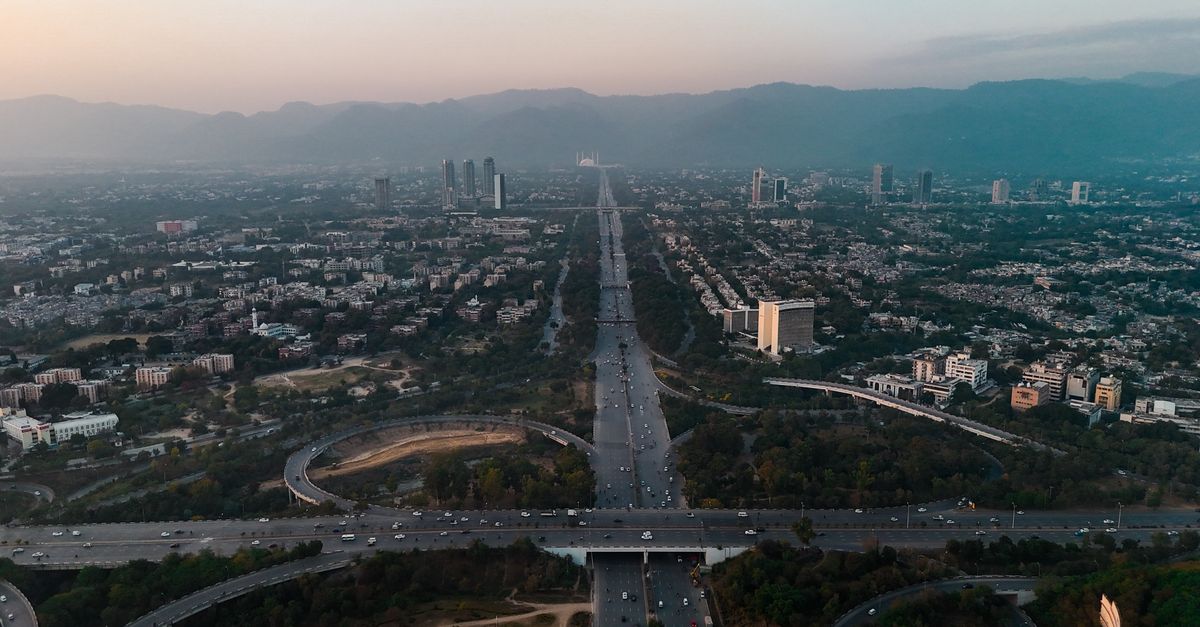
Air quality in Pakistan has been a persistent public‑health crisis. Seasonal smog in Lahore, Islamabad and other urban centres regularly exceeds World Health Organization (WHO) limits, contributing to respiratory illness, cardiovascular disease and premature deaths. While natural factors such as dust storms play a role, experts—including Musadik Malik, the country's climate‑change envoy—stress that the majority of the problem is man‑made. In response, the federal and Punjab governments have rolled out a series of coordinated actions in late 2026, most notably a $10 million clean‑air fund and an aggressive brick‑kiln demolition programme.
1. Why the Focus on Brick Kilns?
- Emission share – Brick kilns are estimated to contribute roughly 20‑25 % of Pakistan’s industrial air‑pollution, releasing large quantities of particulate matter (PM 2.5), sulfur oxides and carbon monoxide.
- Health impact – Communities living near traditional clamp‑kilns report higher rates of asthma, chronic bronchitis and eye irritation.
- Economic relevance – The sector supplies low‑cost building material for a rapidly urbanising country, yet operates largely informally, with limited regulation or worker protections.
Because of this outsized footprint, the government has targeted kilns as a quick‑win for emission reductions.
2. The $10 Million Clean‑Air Fund
2.1 Objectives
- Seed early‑stage clean‑air startups developing low‑cost filtration, real‑time monitoring, or alternative building‑material technologies.
- Support retro‑fitting of existing polluting units (e.g., installing zig‑zag burners in brick kilns).
- Fund research on health‑impact assessment and data‑driven policy design.
2.2 Governance
The fund is managed by a multi‑agency board that includes the Ministry of Climate Change, the Pakistan Environmental Protection Agency and representatives from the private sector. An independent audit panel will review quarterly disbursements to ensure transparency.
2.3 Early Disbursements (as of October 2026)
- Three startups received seed capital to develop portable PM 2.5 sensors for rural schools.
- Two NGOs were awarded grants for community‑based awareness campaigns on indoor‑air quality.
- A pilot project to convert 500 traditional kilns to zig‑zag technology secured $250,000.
3. Brick‑Kiln Demolition in Punjab
3.1 Scale of Action
- 197 kilns were demolished in a single month, according to Dawn and Dunya News reports.
- The demolitions were carried out under the provincial anti‑smog directive led by Senior Minister Marriyum Aurangzeb.
3.2 Replacement Strategy
- Zig‑zag technology – Around 8,000 kilns have already been converted to this more efficient, lower‑emission design. The technology reshapes the flame path, reducing fuel consumption by up to 30 % and cutting PM emissions dramatically.
- Super seeders – The province distributed 10,000 super seeders to farmers at a 60 % subsidy, encouraging crop‑residue management that otherwise fuels seasonal smog.
3.3 Enforcement Measures
- Strict licensing: Kilns operating without registration now face heavy fines.
- Real‑time monitoring: Mobile air‑quality units are stationed near high‑risk zones to verify compliance.
4. Public‑Health Implications
| Impact Area | Expected Benefit | Timeline |
|---|---|---|
| PM 2.5 concentration | Potential reduction of 10‑15 µg/m³ in major cities | 12‑18 months after full kiln conversion |
| Hospital admissions for respiratory disease | 5‑8 % decline in winter months | 1‑2 years |
| Child health (asthma, lung development) | Improved lung‑function scores in school‑age children | 2‑3 years |
These figures are based on modelling studies from the Sustainable Development Policy Institute (SDPI) that link kiln emissions to ambient PM levels.
5. Risks, Limitations and Criticisms
- Informal sector resistance – Many kiln owners operate without registration to avoid taxes and labour obligations. Demolition without viable livelihood alternatives could provoke backlash.
- Funding adequacy – $10 million is modest compared with the estimated $200 million needed for a nationwide retrofit of all traditional kilns.
- Implementation capacity – Provincial agencies report shortages of trained inspectors and monitoring equipment, which could delay enforcement.
- Seasonal variability – Even with kiln reductions, winter temperature inversions and vehicle emissions will continue to drive spikes.
6. Actionable Next Steps for Stakeholders
Government
- Scale up the fund: Consider a phased increase (e.g., an additional $5 million annually) tied to measurable emission‑reduction milestones.
- Create a transition package for kiln owners, including micro‑credit for new‑technology purchases and skill‑training for alternative livelihoods.
- Integrate data platforms: Link satellite‑based PM monitoring with on‑ground sensors to provide real‑time alerts for citizens.
Private Sector & Entrepreneurs
- Develop affordable retro‑fit kits for small‑scale kilns, leveraging the fund’s seed‑capital provisions.
- Partner with agribusinesses to expand the super‑seeder programme, reducing crop‑residue burning.
- Invest in low‑emission construction materials (e.g., fly‑ash bricks) that can replace traditional fired bricks.
Civil Society & Communities
- Participate in monitoring: Use low‑cost sensors to crowd‑source air‑quality data, increasing pressure on non‑compliant operators.
- Promote behavioural change: Campaigns encouraging public transport, car‑pooling, and timely vehicle‑emission testing.
- Advocate for health‑impact assessments before any new industrial projects are approved.
7. Looking Ahead: A Blueprint for South‑Asia?
Pakistan’s combined approach—financial incentives, technology upgrades, and targeted demolition—mirrors emerging strategies in neighboring India and Bangladesh, where brick‑kiln emissions also dominate the pollution profile. If the pilot phase demonstrates measurable health gains, the model could be adapted for other high‑pollution corridors across the region.
Conclusion
The $10 million clean‑air fund and the rapid demolition of 197 brick kilns represent a decisive, albeit early, step toward tackling Pakistan’s man‑made air‑pollution crisis. By coupling financial support for clean‑technology startups with concrete enforcement actions—such as the conversion of thousands of kilns to zig‑zag burners and the distribution of super seeders—the government is addressing both the source and the symptom of smog. Success will depend on sustained funding, effective enforcement, and inclusive policies that protect vulnerable workers while delivering cleaner air for the nation’s citizens.
Original source or publisher — consult this source for current information.