Pakistan‑Bound LNG Tanker Attack Near Hormuz: Implications for Energy Security and Regional Geopolitics
KM Afaq ·
Pakistan‑Bound LNG Tanker Attack Near Hormuz: Implications for Energy Security and Regional Geopolitics — Pakistan's LNG tanker was attacked near Hormuz despite Iranian approval. Explore the impact on Pakistan's energy security and regional geopolitics.
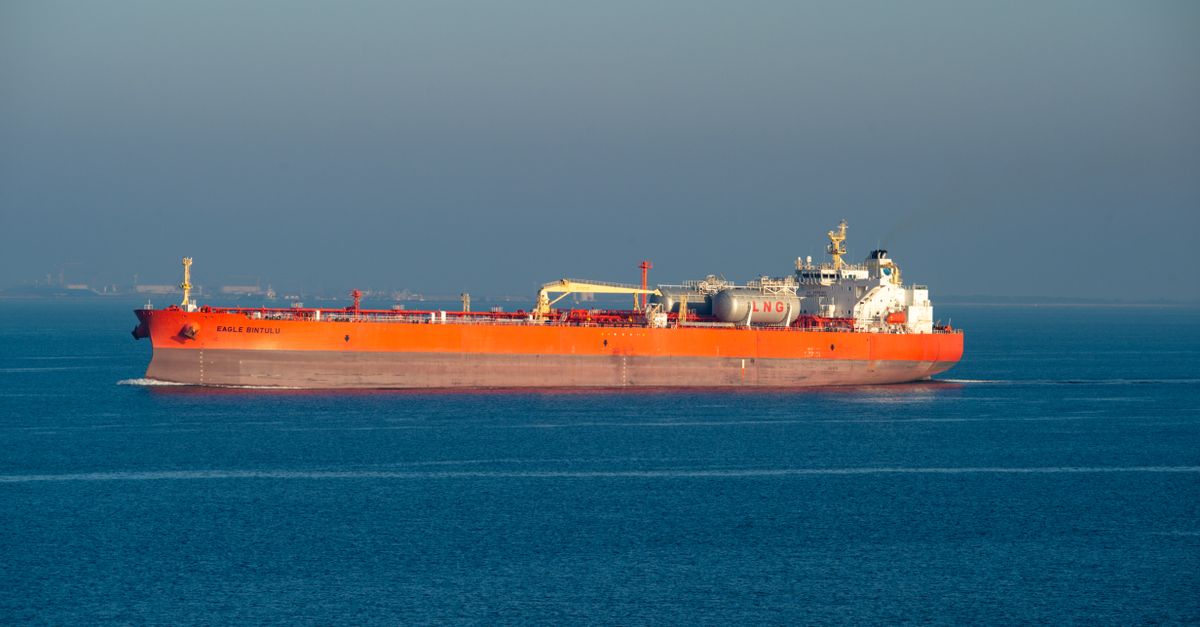
About Pakistan‑Bound LNG Tanker Attack Near Hormuz: Implications for Energy Security and Regional Geopolitics
Introduction
On 1 November 2026 a liquefied natural gas (LNG) tanker destined for Pakistan was hit by an unidentified projectile while transiting the Strait of Hormuz. The incident was reported by Bloomberg and confirmed by other outlets, which noted that the vessel had received explicit clearance from Iranian authorities before the attack. While no casualties were reported, the event has sparked immediate concern in Islamabad and among regional analysts about the security of Pakistan’s growing LNG imports and the broader geopolitical stakes in one of the world’s most contested maritime chokepoints.
This article assesses the practical implications for Pakistan’s energy security, examines the regional diplomatic fallout, and outlines policy steps that could mitigate similar risks in the future.
What Happened?
- Date and location: 1 Nov 2026, Strait of Hormuz – a narrow waterway linking the Persian Gulf with the Gulf of Oman.
- Target: An LNG carrier bound for Pakistan’s Port of Karachi.
- Nature of the attack: Unidentified objects struck the vessel; the exact weapon system has not been disclosed.
- Clearance: Iranian officials had granted the ship permission to pass through the strait, a fact highlighted in the Bloomberg report.
- Parallel incidents: The same day a Qatar‑flagged LNG carrier reported similar “unidentified objects” in the Gulf, suggesting a pattern of heightened threat levels.
Both Bloomberg and Investing.com emphasized that the attacks occurred despite the vessels having the necessary diplomatic clearances, underscoring a possible shift from state‑controlled to more ambiguous, possibly non‑state, maritime threats.
Immediate Impact on Pakistan’s LNG Supply
Pakistan has been diversifying its gas portfolio, increasingly relying on imported LNG to bridge the gap between domestic production and rising demand. While the exact cargo size of the attacked tanker was not disclosed, the loss or delay of a single shipment can have measurable short‑term effects:
- Supply gap: A typical LNG cargo can meet a few weeks of domestic demand. A disruption therefore forces the power sector to draw on existing stockpiles or curtail non‑essential consumption.
- Price pressure: Spot LNG prices are sensitive to supply shocks. Even a brief interruption can push regional spot rates higher, affecting import costs for Pakistan.
- Contractual implications: Many of Pakistan’s LNG contracts are long‑term and include force‑majeure clauses. The incident may trigger legal reviews and renegotiations, especially if insurers classify the event as an act of war.
At the time of writing, the tanker’s cargo status remains unclear, and Pakistani authorities have not announced a definitive shortage. Nevertheless, the episode illustrates the vulnerability of a supply chain that depends on a single maritime corridor.
Broader Energy‑Security Concerns
1. Dependence on the Strait of Hormuz
- Strategic chokepoint: Roughly 20 % of global oil and a comparable share of LNG transits pass through Hormuz.
- Historical volatility: Past confrontations between Iran and the United States have led to temporary closures, causing price spikes.
- Emerging threats: The use of “unidentified objects” hints at a new class of low‑cost, high‑impact weapons—possibly drones or loitering munitions—that are harder to deter with traditional naval patrols.
2. Domestic Energy Mix
- Current reliance: Pakistan’s domestic gas production has been flat, while electricity demand grows at about 4‑5 % per year.
- LNG’s role: Imported LNG now accounts for a significant share of peak‑load generation, especially during winter months.
- Risk exposure: Any sustained disruption could force the government to tap expensive diesel generators or curtail industrial output.
Geopolitical Ripple Effects
| Dimension | Potential Outcome |
|---|---|
| Iran‑Pakistan relations | Iran’s approval of the vessel demonstrates a willingness to keep trade routes open, but the attack may strain trust if Tehran is perceived as unable to guarantee security. |
| U.S. naval posture | The United States has increased its presence in the Gulf to protect commercial shipping. A repeat of such incidents could justify a more permanent escort regime, raising operational costs for commercial operators. |
| Regional rivalries | Saudi Arabia, the United Arab Emirates and Qatar have vested interests in maintaining unhindered energy flows. An escalation could draw these states into coordinated security initiatives, potentially marginalising smaller players like Pakistan. |
| Global LNG market | Repeated disruptions could encourage buyers to diversify routes—e.g., using the Cape of Good Hope or the Suez Canal—though at higher freight costs, reshaping trade patterns. |
The attack also coincides with broader tension spikes, as noted in recent oil‑price commentary linking Hormuz incidents to Brent Crude breaching $101 a barrel. While the LNG market is distinct, price correlations often emerge when traders perceive heightened geopolitical risk.
Risk Management and Policy Options for Pakistan
Short‑Term Measures
- Diversify transit routes: Explore alternative passages such as the Cape of Good Hope for critical cargoes, despite longer transit times.
- Strategic stockpiling: Increase LNG storage capacity at Karachi and Port Qasim to buffer against short‑term disruptions.
- Insurance review: Engage with insurers to clarify coverage for attacks classified as “acts of war” versus “piracy” or “terrorism”.
Medium‑Term Strategies
- Domestic gas development: Accelerate the Khyber Pakhtunkhwa gas‑field projects and invest in shale‑gas exploration to reduce import dependence.
- Regional security cooperation: Seek a trilateral maritime security framework with Iran and the United Arab Emirates focused on joint patrols and rapid‑response protocols.
- Fleet protection: Encourage LNG operators to equip vessels with anti‑drone systems and to adopt best‑practice convoy procedures.
Long‑Term Vision
- Renewable transition: Allocate a portion of LNG revenue to fund solar and wind projects, gradually lowering the share of imported gas in the energy mix.
- Strategic reserves: Institutionalise a national LNG reserve, akin to oil strategic reserves, to ensure energy continuity during geopolitical shocks.
Conclusion
The attack on a Pakistan‑bound LNG tanker near the Strait of Hormuz underscores how quickly a single maritime incident can ripple through a nation’s energy landscape and its diplomatic calculus. While the immediate supply impact appears manageable, the episode highlights the fragility of relying on a single chokepoint for essential fuel imports. Pakistan’s response—through enhanced stockpiling, diversified routing, and deeper regional security cooperation—will determine whether the country can turn this shock into a catalyst for a more resilient energy future.
Original source or publisher — consult this source for current information.