Pakistan‑Saudi Defence Ties Under the Makkah Alliance: Strategic Implications for Islamabad
KM Afaq ·
Pakistan‑Saudi Defence Ties Under the Makkah Alliance: Strategic Implications for Islamabad — Explore the strategic impact of Pakistan‑Saudi defence cooperation under the Makkah Alliance, its implications for national security and regional stability.
About Pakistan‑Saudi Defence Ties Under the Makkah Alliance: Strategic Implications for Islamabad
Pakistan‑Saudi Defence Ties Under the Makkah Alliance: Strategic Implications for Islamabad
In a landmark meeting on 14 October 2026, the secretary‑general of Saudi Arabia’s Makkah Alliance briefed Pakistan’s Prime Minister Shehbaz Sharif on a comprehensive defence cooperation framework. The discussion, held in Riyadh, outlined joint training, intelligence sharing, and procurement of advanced military equipment. While the details of the agreement remain largely confidential, the public statements signal a deepening of ties that could alter Pakistan’s security calculus and the broader balance of power in South and Central Asia.
The Makkah Alliance: A Quick Primer
- Origin: Formed in 2022 by Saudi Arabia, the United Arab Emirates, and Bahrain to coordinate security and economic policy in the Gulf.
- Expansion: In 2024, Pakistan and Turkey were invited to join as associate members, broadening the alliance’s reach.
- Key Pillars: Intelligence cooperation, joint military exercises, maritime security, and counter‑terrorism.
The alliance’s decision to include Pakistan reflects Saudi Arabia’s strategic intent to counter Iranian influence and to secure its southern flank. For Pakistan, the partnership offers a platform to diversify defence partnerships beyond traditional Western suppliers.
Highlights of the Briefing
- Joint Training and Exercises – Plans for a series of combined manoeuvres in the Arabian Sea and the western frontiers of the Indian Ocean.
- Intelligence Sharing – A framework for real‑time exchange of maritime and aerial surveillance data, especially concerning Houthi‑linked missile threats.
- Procurement Agreements – Potential purchase of Saudi‑manufactured drones, air‑defence systems, and naval vessels.
- Cyber‑Security Collaboration – Joint initiatives to protect critical infrastructure against cyber‑attacks.
- Health & Food Security – Parallel cooperation in medical technology and agricultural resilience, echoing Saudi commitments to broader strategic fields.
These points were echoed in a Dawn report that highlighted the meeting’s emphasis on “key strategic fields such as defense, health, cybersecurity and food security.” The report also noted Saudi Arabia’s pledge to protect airports and maritime routes, a promise that gains urgency after recent Houthi missile incidents.
Regional Context: Houthi Threats and Maritime Security
The Gulf has seen a surge in Houthi‑launched missiles targeting Saudi infrastructure. On 13 October 2026, a missile aimed at Riyadh was intercepted, leaving four injured from debris. Al‑Jazeera’s live blog reported that the Saudi coalition had hit multiple Houthi sites, including an Aramco office in the east. These events underscore the fragility of maritime routes that Pakistan relies on for its energy imports.
Implications for Pakistan:
- Supply Chain Vulnerability: Pakistan’s energy imports traverse the Arabian Sea, making them susceptible to Houthi attacks.
- Naval Modernisation: The alliance’s focus on maritime security dovetails with Pakistan’s ongoing naval upgrades under the China‑Pakistan Economic Corridor (CPEC).
- Intelligence Gap: Enhanced intelligence sharing could help Pakistan pre‑empt potential threats to its ports and shipping lanes.
Strategic Implications for Pakistan’s National Security
1. Diversification of Defence Partnerships
Pakistan has historically relied on China and the United States for military hardware. The Makkah Alliance offers an alternative source of advanced technology, especially in areas where U.S. sanctions or political constraints limit procurement.
2. Enhanced Maritime Protection
With Saudi Arabia’s commitment to safeguarding maritime routes, Pakistan could benefit from joint patrols and surveillance in the Arabian Sea. This would reduce the risk of piracy and missile attacks on Pakistani vessels.
3. Counter‑Terrorism Synergy
The alliance’s counter‑terrorism agenda aligns with Pakistan’s own efforts to curb extremist networks. Shared intelligence on extremist financing and recruitment could strengthen Islamabad’s internal security.
4. Geopolitical Leverage
By aligning with Saudi Arabia, Pakistan gains a stronger voice in Gulf affairs, potentially counterbalancing Iranian influence in the region. This could also improve Pakistan’s standing in multilateral forums such as the Shanghai Cooperation Organisation (SCO) and the United Nations (UN).
Risks and Limitations
| Risk | Description | Mitigation |
|---|---|---|
| Political Backlash | India and China may view the partnership as a strategic tilt, potentially straining diplomatic ties. | Maintain transparent communication and engage in multilateral dialogues to reassure partners. |
| Dependence on Saudi Technology | Overreliance on Saudi systems could create a single point of failure. | Diversify suppliers and invest in domestic defence R&D. |
| Regional Escalation | Closer ties with Saudi Arabia might provoke Iranian retaliation, increasing regional tensions. | Coordinate closely with international partners and reinforce cyber‑defence measures. |
| Economic Costs | Procurement of advanced systems may strain Pakistan’s defence budget. | Prioritise cost‑effective solutions and explore joint development programmes. |
Actionable Next Steps for Islamabad
- Formalise the Agreement: Draft a memorandum of understanding (MoU) that details timelines, budgets, and oversight mechanisms.
- Establish a Joint Defence Committee: Include senior officers from the Pakistan Armed Forces and Saudi counterparts to coordinate exercises and intelligence.
- Invest in Cyber‑Defence: Allocate resources for a dedicated cyber‑security unit that can interface with Saudi counterparts.
- Engage Civil‑Military Partners: Leverage the alliance’s health and food‑security commitments to build resilience in critical infrastructure.
- Monitor Regional Dynamics: Continuously assess the impact of Houthi missile activity and adjust maritime security protocols accordingly.
Broader Regional Dynamics
The Makkah Alliance’s expansion to include Pakistan signals a shift in Gulf‑South Asian relations. Other Arab states such as the UAE and Qatar have also announced joint security initiatives, while Qatar’s vow to protect its airports mirrors Saudi commitments. Pakistan’s participation could encourage a more integrated security architecture across the Arabian Sea, the Persian Gulf, and the Indian Ocean.
Moreover, the alliance’s emphasis on maritime security dovetails with global efforts to secure the Strait of Hormuz, a chokepoint that sees frequent Houthi activity. Pakistan’s strategic location—bordering Afghanistan, China, and the Indian Ocean—positions it uniquely to act as a conduit for Gulf‑South Asian security cooperation.
Conclusion
The defence briefing between Prime Minister Shehbaz Sharif and the Makkah Alliance secretary‑general marks a pivotal moment for Pakistan. By forging a closer defence relationship with Saudi Arabia, Islamabad stands to gain diversified technology, enhanced maritime security, and stronger counter‑terrorism capabilities. However, the partnership also carries geopolitical risks that must be managed through careful diplomacy, budgetary planning, and robust cyber‑defence. If executed thoughtfully, the Makkah Alliance could become a cornerstone of Pakistan’s strategic autonomy and a stabilising force in an increasingly volatile Middle East.
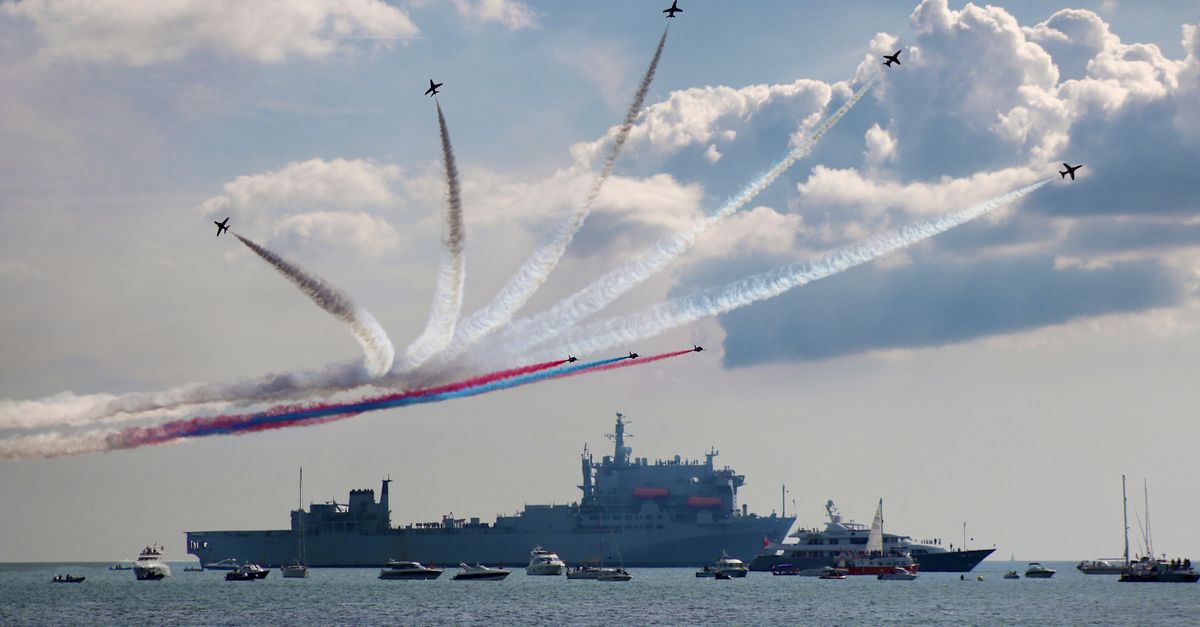
Image Prompt: "A modern naval fleet in the Arabian Sea with aircraft overhead, depicting joint defence cooperation between Pakistan and Saudi Arabia, 16:9, no logos, no text"
Original source or publisher — consult this source for current information.