Pakistan vs England ODI Tri‑Series: Tactical Breakdown and World Cup Implications
KM Afaq ·
Pakistan vs England ODI Tri‑Series: Tactical Breakdown and World Cup Implications — Explore Pakistan’s tactics against England in the ODI tri‑series and learn how the match shapes their 2027 World Cup campaign.
About Pakistan vs England ODI Tri‑Series: Tactical Breakdown and World Cup Implications
Pakistan vs England ODI Tri‑Series: Tactical Breakdown and World Cup Implications
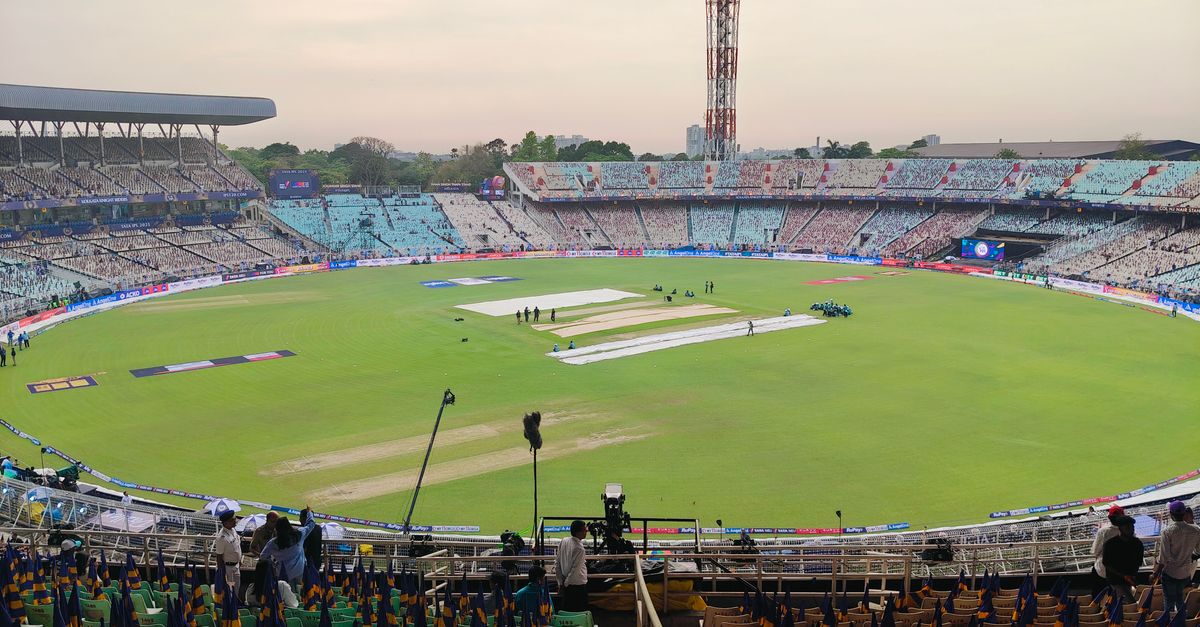
The Rawalpindi showdown between Pakistan and England is more than a single game; it is a rehearsal for the 2027 ODI World Cup. With a pitch that promises fast scoring and a crowd of 2000+ keen on the historic rivalry, both teams are sharpening their strategies. Below is a deep dive into Pakistan’s key players, the tactical plans they will employ against England’s formidable pace attack, and how the outcome could influence Pakistan’s World Cup trajectory.
1. Context: Why This Match Matters
- World Cup Build‑up – The tri‑series is the first major ODI competition Pakistan will face after a long break from international cricket. It provides a realistic test of form and fitness.
- Pitch Conditions – Reports from ESPN and Cricinfo describe a surface that favors pace, with the potential for early swing and seam movement. Pakistan’s captain, Shaheen Afridi, explicitly requested such conditions to prepare his fast bowlers for South African pitches.
- Recent Form – Pakistan’s win over Sri Lanka, highlighted by Salman Agha’s 82‑ball century, shows the batting depth that can be leveraged. England, on the other hand, has a solid pace lineup, including Sam Curran’s return from injury.
2. Pakistan’s Tactical Blueprint
2.1 Batting Strategy
| Key Player | Role | Tactical Focus |
|---|---|---|
| Babar Azam | Openers | Build a solid foundation, rotate strike, target early wickets |
| Salman Agha | Middle‑order | Aggressive 80‑ball century style, exploit loose deliveries |
| Mohammad Rizwan | Finishers | Use experience to navigate pressure, aim for 100‑plus scores |
- Opening Stability – Babar Azam’s disciplined start will aim to keep the scoreboard in a safe zone while the ball settles.
- Middle‑order Aggression – Salman Agha’s recent form suggests he will look to accelerate after the powerplay, capitalising on any early swing.
- Finishing Touches – Rizwan’s ability to pace the innings will be critical if the chase is tight.
2.2 Bowling Strategy
| Bowler | Primary Skill | Tactical Plan |
|---|---|---|
| Shaheen Afridi | Fast‑bowling | Lead the attack, use variations, target top order |
| Hasan Ali | Swing | Use early swing to induce edges, maintain tight line |
| Javed Afridi | Pace | Pressure the middle‑order, create wicket opportunities |
- Lead by Afridi – As captain and a frontline pacer, Afridi will set the tone, using short‑haul variations to unsettle England’s top order.
- Swing Focus – Hasan Ali’s left‑arm swing will be a weapon against England’s right‑handers, especially in the early overs.
- Middle‑order Pressure – Javed Afridi will aim to trap the middle‑order with accurate yorkers and slower deliveries.
2.3 Fielding and Match‑Management
- Aggressive Fielding – Pakistan’s fielders will be positioned to take advantage of England’s powerplay and early wickets.
- Dynamic Captaincy – Afridi’s on‑field decisions will be crucial; he will adjust bowling changes based on England’s run rate and wicket tally.
- Use of Spin – With the pitch offering pace, spin will be reserved for the later overs to break partnerships.
3. England’s Tactical Blueprint
3.1 Batting Strategy
| Key Player | Role | Tactical Focus |
|---|---|---|
| Harry Brook (captain) | Openers | Aggressive start, set a high target |
| Joe Root | Middle‑order | Stabilise after powerplay, build partnerships |
| Tom Banton | All‑rounder | Add depth, support bowlers when needed |
- Powerplay Aggression – Brook’s captaincy will push for a high score in the first 10 overs.
- Middle‑order Stability – Root will look to anchor the innings, ensuring a steady run rate.
- All‑round Support – Banton’s batting will provide flexibility, especially if wickets fall early.
3.2 Bowling Strategy
| Bowler | Primary Skill | Tactical Plan |
|---|---|---|
| Sam Curran | Pace | Early swing, target top order |
| Adil Rashid | Spin | Break partnerships, use variations |
| Josh Tongue | Pace | Maintain pressure, use yorkers |
- Early Swing – Curran’s return from injury means England will rely on his left‑arm swing to trouble Pakistan’s top order.
- Spin Variation – Rashid’s leg‑spin will be used to destabilise the middle‑order during the death overs.
- Yorker Precision – Tongue’s experience will be vital in the final overs to restrict Pakistan’s run rate.
3.3 Fielding and Match‑Management
- Strategic Field Placements – England will set attacking fields during the powerplay and shift to defensive positions in the death overs.
- Captain’s Role – Brook will rotate bowlers based on Pakistan’s scoring patterns and wicket situation.
- Use of Pace – England’s decision to field a predominantly pace attack reflects the pitch’s fast‑scoring nature.
4. Comparative Analysis: Strengths vs Weaknesses
| Aspect | Pakistan | England |
|---|---|---|
| Pace Attack | Strong, led by Afridi, with swing from Hasan | Strong, with Curran and Rashid, but missing Jofra Archer |
| Batting Depth | Solid top order, aggressive middle‑order | Solid top order, experienced middle‑order |
| Fielding | Aggressive, dynamic, spin reserved for death overs | Attacking fields in powerplay, defensive later |
| Pitch Adaptability | Prefers pace for South African conditions | Pace‑heavy attack suited to fast pitch |
- Pakistan’s Edge – Afridi’s captaincy and recent batting form give them a slight advantage in adapting to the pitch.
- England’s Edge – Curran’s swing and Rashid’s spin variations provide a balanced attack, though the absence of Jofra Archer could reduce early wicket‑taking power.
- Key Match‑Changers – Salman Agha’s explosive batting and Afridi’s pace variations will be decisive for Pakistan; Curran’s swing and Rashid’s spin will be crucial for England.
5. World Cup Implications
5.1 Fast‑Bowling Readiness
Pakistan’s decision to test its pace attack on a fast‑scoring pitch mirrors the conditions expected in South Africa. A strong performance will confirm the bowlers’ ability to swing and seam early, a vital skill for the World Cup.
5.2 Batting Resilience
If Pakistan can chase a target set by England’s aggressive start, it will demonstrate the batting lineup’s resilience under pressure—an essential attribute for knockout matches.
5.3 Confidence and Momentum
A win against England would not only boost morale but also signal that Pakistan’s recent reforms under Afridi are bearing fruit. Even a close loss would provide valuable lessons on handling pace‑heavy attacks, allowing Pakistan to refine strategies before the World Cup.
5.1 What a Result Could Mean
- Victory for Pakistan – Signals that Afridi’s fast bowlers can handle early swing and that the batting lineup can finish innings under pressure. This would position Pakistan as a serious contender for the 2027 World Cup.
- Loss for Pakistan – Highlights areas needing improvement, especially in adapting to England’s early swing and spin variations. It would prompt a reassessment of bowling changes and field placements before the World Cup.
5.2 Long‑Term Outlook
Pakistan’s performance in this match will likely influence:
- Squad Selection – Confirmation of which pacers and batsmen will be included in the World Cup squad.
- Strategic Focus – Whether the team will lean more on pace or spin in different match phases.
- Mental Toughness – How the team handles pressure, especially in death overs.
5.3 Final Thoughts
The Rawalpindi clash is a microcosm of the larger ODI landscape. Pakistan’s tactical emphasis on pace, coupled with a batting strategy that blends stability and aggression, will be tested against England’s well‑balanced attack. The match’s outcome will not only determine the series winner but also set the tone for Pakistan’s preparations for the 2027 World Cup. Whether they emerge victorious or learn from a narrow defeat, the experience gained will be invaluable for a team eager to reclaim ODI glory.
Key Takeaway: Pakistan’s fast bowlers, led by Afridi, must exploit early swing and maintain pressure, while the batting lineup needs to adapt to England’s aggressive pace attack. The series outcome will shape Pakistan’s confidence and strategy heading into the 2027 World Cup.
Original source or publisher — consult this source for current information.