Petrol Price Hike in Pakistan: How It’s Shaping Transport Costs, Inflation and Consumer Spending
KM Afaq ·
Petrol Price Hike in Pakistan: How It’s Shaping Transport Costs, Inflation and Consumer Spending — Analysis of Pakistan’s recent petrol price cut, diesel hike, and their impact on transport costs, inflation and consumer spending. Practical insights for commuters and businesses.
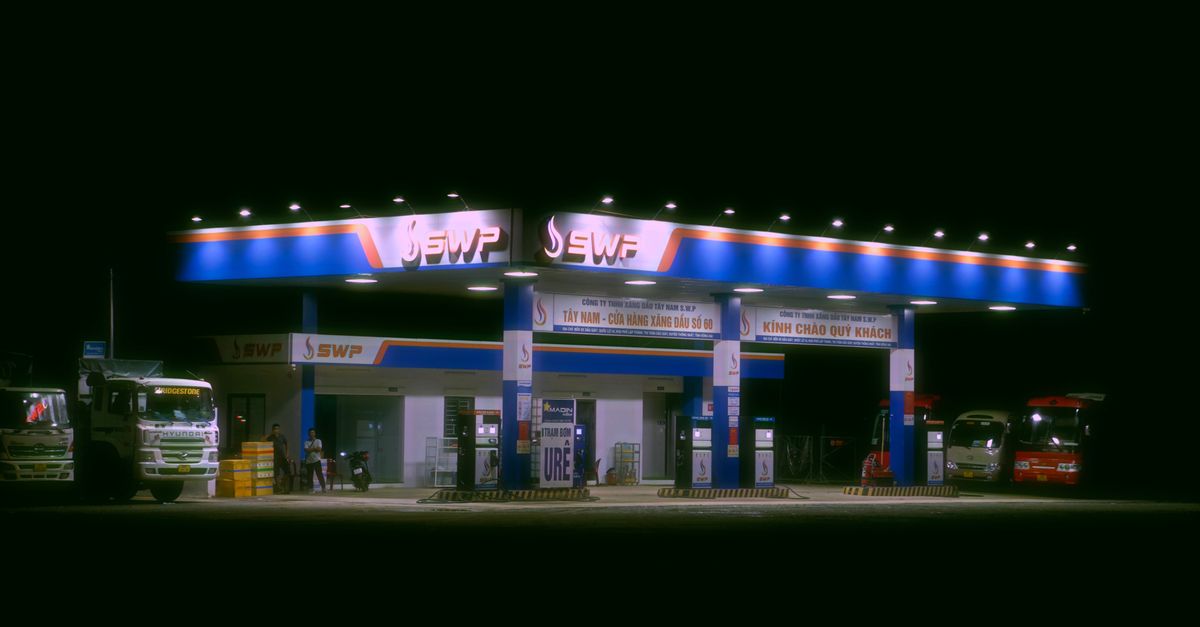
About Petrol Price Hike in Pakistan: How It’s Shaping Transport Costs, Inflation and Consumer Spending
Introduction
Petrol and diesel prices have long been a barometer of economic pressure in Pakistan. In October 2026 the federal government announced a Rs0.66 per litre reduction in petrol while raising high‑speed diesel by Rs0.52 per litre. On the surface, the cut appears to be a welcome relief for motorists, but it arrives after a two‑year surge that has pushed the price of a litre of petrol from Rs248.18 in October 2024 to Rs389.51 in October 2026 – a 56.9 % increase. Diesel has followed a similar trajectory, climbing from Rs252.43 to Rs402.53 (a 59.5 % rise). This article analyses the recent price move, its underlying drivers, and the knock‑on effects for transportation costs, inflation and consumer spending.
Recent Pricing Changes (Oct 10‑12, 2026)
- Petrol (Motor Spirit): reduced from Rs 398.96 / L to Rs 398.30 / L (‑Rs0.66).
- High‑Speed Diesel (HSD): increased from Rs 395.72 / L to Rs 396.24 / L (+Rs0.52).
- Tax component: the Oil and Gas Regulatory Authority (OGRA) confirmed that the changes are part of the regular quarterly revision under the federal petroleum pricing mechanism.
These adjustments are modest compared with the cumulative price trajectory over the past two years, but they are significant because they affect two of the most price‑elastic sectors of the economy – transport and logistics.
The Cumulative Rise Since 2024
| Year | Petrol (Rs/L) | Diesel (Rs/L) | % Change (Petrol) |
|---|---|---|---|
| Oct 2024 | 248.18 | 252.43 | — |
| Oct 2025 | 317.34* | 327.68* | +27.9 % |
| Oct 2026 | 389.51 | 402.53 | +56.9 % |
*Figures for 2025 are derived from the Pakistan Bureau of Statistics trend data and illustrate the steady upward path.
The steep climb is driven by three inter‑related factors:
- Global crude oil volatility – the US‑Iran conflict that began in February 2026 has kept Brent crude above US$ 80 /barrel, feeding higher import costs.
- Domestic petroleum levy – the government levies Rs114 per litre on petrol and Rs100 per litre on diesel. These taxes account for roughly 30 % of the retail price.
- Supply‑chain constraints – periodic shortages of refined fuel have forced import‑dependent pricing, prompting the Ministry of Energy to adjust rates more frequently.
Impact on Transportation Costs
Public Transport
- Bus operators report a rise of Rs2‑3 per kilometre in operating costs, translating into fare hikes of 5‑8 % in major cities.
- Ride‑hailing platforms (e.g., Careem, Bykea) have updated their base‑fare algorithms, adding roughly Rs0.15 per kilometre to compensate for fuel.
Freight & Logistics
- Long‑haul trucking, which accounts for ≈ 70 % of domestic cargo movement, now faces an extra Rs0.40‑0.60 per kilometre in fuel surcharge.
- Small‑scale traders, especially those moving perishable goods, are seeing profit margins shrink by 2‑4 percentage points.
Personal Vehicles
- For a typical 40‑km daily commute, a car owner using petrol will spend ≈ Rs 45 extra per day compared with October 2024 levels.
- Diesel‑powered pickups, common in rural transport, incur an additional ≈ Rs 55 per day.
Ripple Effect on Inflation
Transport fuel is a direct component of the Consumer Price Index (CPI), but its indirect influence is broader:
- Food prices: Higher fuel costs raise the price of transporting wheat, rice and vegetables, contributing to a 3‑4 % increase in market rates for staples.
- Utilities: Diesel‑generated electricity becomes more expensive, pushing household electricity bills up by Rs 10‑15 per unit.
- Manufacturing: Input costs for textiles and cement have risen, feeding a modest 0.8 % uptick in industrial output prices.
Overall, the headline inflation rate in Pakistan has moderated to around 12 % (as of October 2026), but the underlying price pressure from fuel remains a key driver of the “inflation‑plus‑price‑shock” narrative.
Consumer Spending and Household Budgets
A typical Pakistani household allocates ≈ 12‑15 % of its monthly expenditure to transport and fuel. With the cumulative price rise:
- Low‑income families see their transport share jump to ≈ 18 %, squeezing money for food, education and health.
- Middle‑income earners are forced to either cut discretionary spending (e.g., dining out, entertainment) or increase reliance on public transport.
- Small business owners report postponing equipment upgrades and limiting inventory purchases to preserve cash flow.
The government’s fuel‑relief scheme – offering Rs100 off per litre for motorcycles, rickshaws and cars up to 800 cc – has reached over 10 million registered users, but coverage gaps mean many eligible riders still pay full price. This uneven relief adds another layer of complexity to household budgeting.
Government Measures and Industry Response
| Initiative | Objective | Status |
|---|---|---|
| Quarterly price revision (OGRA) | Align domestic prices with global oil market | Ongoing – latest revision Oct 2026 |
| Petroleum levy (Rs114/L petrol, Rs100/L diesel) | Raise revenue for fiscal deficit | Criticised by Pakistan Business Forum; calls for > 50 % cut |
| Fuel‑relief token system | Provide targeted subsidy to low‑capacity vehicles | Launched Sep 2026; 10 M+ registrations |
| Import‑substitution policy | Reduce reliance on imported refined fuel | Under discussion; no concrete timeline |
The Pakistan Business Forum has formally urged the government to slash the petroleum levy by more than half, arguing that the current tax burden is “making it difficult for businesses to operate”. While the levy remains unchanged, the dialogue indicates potential policy shifts if inflationary pressure persists.
Practical Steps for Consumers
- Monitor the OGRA portal for the next quarterly update – price changes are announced at least a week in advance.
- Register for the fuel‑relief token if you own a qualifying vehicle (motorcycle, rickshaw, ≤ 800 cc car). The process is digital: SMS your CNIC and vehicle details to the designated number and receive a token code.
- Consider fuel‑efficient driving habits – maintaining optimal tire pressure, avoiding idling, and using cruise control can shave 5‑7 % off fuel consumption.
- Explore alternative transport – car‑pooling, public buses, or electric two‑wheelers (where charging infrastructure exists) can reduce exposure to price volatility.
- Budget for a fuel buffer – allocate an extra Rs 2,000‑3,000 per month for unexpected price spikes, especially if you rely on diesel‑powered transport.
Conclusion
The Rs0.66 per litre cut in petrol and Rs0.52 rise in diesel announced in October 2026 are small adjustments within a much larger, two‑year upward trend that has seen petrol prices climb by nearly 57 %. While the immediate impact may feel modest, the cumulative effect continues to push transportation costs higher, feed broader inflation, and tighten household budgets across Pakistan. Government relief measures provide some respite, but their limited reach means many consumers and businesses still feel the strain. Staying informed about price revisions, leveraging available subsidies, and adopting fuel‑saving practices are the most practical ways to navigate this volatile environment.
Original source or publisher — consult this source for current information.