PIA’s First Boeing 787‑9 Dreamliner Lands in Islamabad: What It Means for Pakistan’s Aviation and Tourism
KM Afaq ·
PIA’s First Boeing 787‑9 Dreamliner Lands in Islamabad: What It Means for Pakistan’s Aviation and Tourism — PIA’s inaugural Boeing 787‑9 Dreamliner arrives in Islamabad, upgrading the fleet, improving passenger experience and influencing Pakistan’s aviation and tourism sectors.
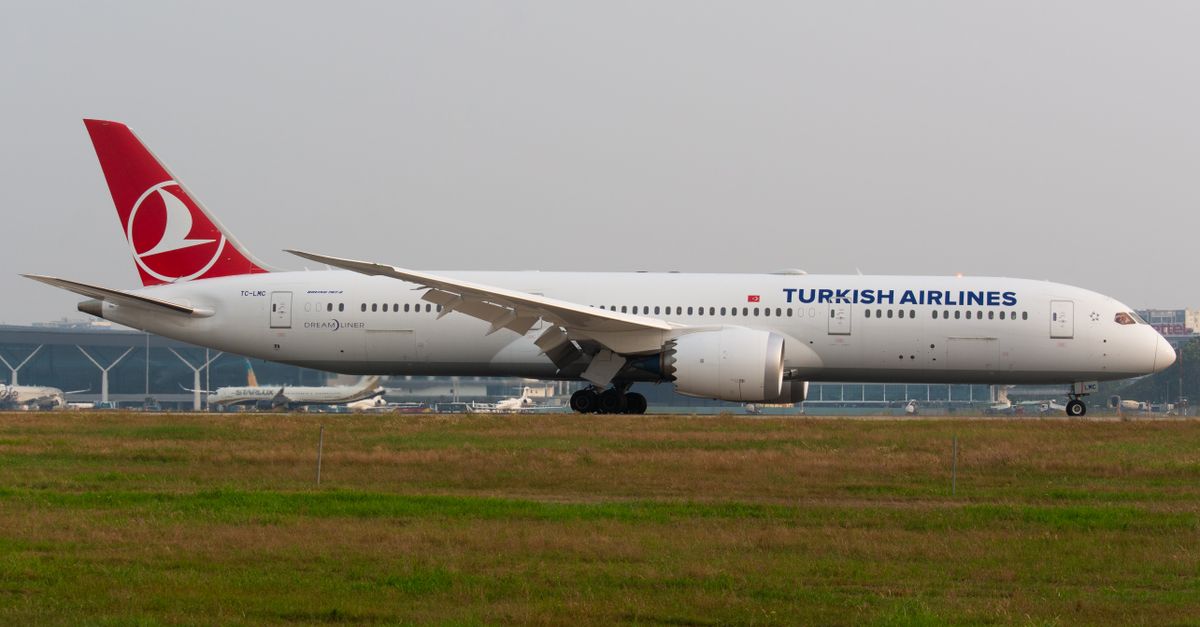
About PIA’s First Boeing 787‑9 Dreamliner Lands in Islamabad: What It Means for Pakistan’s Aviation and Tourism
Introduction
On 1 November 2026, Pakistan International Airlines (PIA) celebrated a milestone as its first Boeing 787‑9 Dreamliner touched down at Islamabad International Airport. The arrival was preceded by a rigorous inspection by the Civil Aviation Authority (CAA) at Oslo Airport, after which the aircraft received clearance to operate in Pakistan for the first time. The Dreamliner, part of a deal with Norwegian group Norse Atlantic, is slated to serve the busy United Kingdom‑Pakistan corridor and other long‑haul routes.
The introduction of the 787‑9 is more than a headline‑grabbing event; it signals a strategic shift in PIA’s fleet composition, passenger service standards, and its role in the broader South Asian aviation market. This article analyses how the Dreamliner upgrades PIA’s fleet, the tangible benefits for travelers, and the ripple effects on Pakistan’s tourism and airline competition.
Why the 787‑9 Matters for PIA’s Fleet
| Aspect | Current Situation | Change with the Dreamliner |
|---|---|---|
| Aircraft Age | Majority of long‑haul fleet (Boeing 777‑200LR, Airbus A340) are over 15 years old. | 787‑9s are brand‑new, delivered in 2026, reducing average fleet age. |
| Fuel Efficiency | Older aircraft consume more fuel per seat‑kilometre. | 787‑9 uses composite materials and new engines, offering up to 20 % lower fuel burn. |
| Range | Existing fleet can cover Europe and the Gulf, but with limited nonstop capability to farther destinations. | 787‑9’s 7,530 km range enables nonstop flights to Europe, the Middle East and even North America without payload restrictions. |
| Capacity | Typical 777‑200LR configuration: ~300 seats, but older cabin layouts. | Standard 787‑9 configuration seats around 290 passengers across Business, Premium Economy and Economy – a flexible mix that matches demand on UK routes. |
| Maintenance | Higher maintenance costs due to age and parts scarcity. | Modern systems lower routine maintenance hours and benefit from Boeing’s global support network. |
These technical advantages align with PIA’s public statements that the Dreamliner will “strengthen its international network” and “provide world‑class services” to passengers.
Passenger Experience: What Travelers Can Expect
- Cabin Comfort
- Larger windows and higher cabin pressure (equivalent to 6,000 ft) reduce fatigue.
- Improved air filtration and humidity levels make long flights feel shorter.
- Seating Options
- Business Class: lie‑flat seats with direct aisle access, ideal for business travellers to London and Europe.
- Premium Economy: extra‑wide seats with enhanced recline and dedicated storage.
- Economy: ergonomically designed seats with adjustable headrests.
- In‑flight Entertainment
- State‑of‑the‑art IFE system with a larger touchscreen, on‑demand movies, music and live TV.
- High‑speed Wi‑Fi (subject to regulatory approval) for work‑on‑the‑go.
- Service Enhancements
- New uniform rollout for cabin crew coincides with the Dreamliner launch, signalling a refreshed brand image.
- Updated meal service featuring Pakistani cuisine alongside international options.
These upgrades are expected to raise PIA’s Net Promoter Score (NPS) and bring the airline closer to the service levels of regional rivals such as Emirates, Qatar Airways and Turkish Airlines.
Market Impact: Competition, Capacity and Connectivity
1. Strengthening the UK‑Pakistan Link
The UK remains PIA’s most important long‑haul market. The Dreamliner’s 292‑seat configuration (approximately 30 Business, 36 Premium Economy, 226 Economy as seen in comparable operators) will increase weekly seat capacity on the Islamabad‑London route by an estimated 15‑20 %. This extra capacity can accommodate growing diaspora travel, business trips and tourism.
2. Competitive Positioning
- Regional rivals – Emirates and Qatar Airways already operate modern fleets on similar routes, offering high‑frequency services. The Dreamliner narrows the technology gap and gives PIA a modern product to market.
- Low‑cost carriers – The entry of Air Arabia and Flydubai on secondary routes pressures PIA to maintain price competitiveness while delivering superior service.
3. Tourism Boost
Pakistan’s tourism ministry has highlighted the need for “world‑class connectivity” to attract inbound visitors. The Dreamliner’s long‑range capability opens the possibility of direct flights to additional European hubs (e.g., Frankfurt, Paris) and even North‑American cities in the future, reducing travel time and making Pakistan a more attractive destination for leisure and adventure tourism.
4. Ancillary Revenue Opportunities
Modern cabins enable new revenue streams:
- Premium seat upgrades and bundled meals.
- In‑flight Wi‑Fi subscriptions.
- Advertising on the IFE platform. These can improve PIA’s bottom line, which has struggled with profitability in recent years.
Risks, Challenges and Mitigation Strategies
| Risk | Description | Mitigation |
|---|---|---|
| Crew Training | Pilots and cabin crew need type‑rating and familiarisation. | Accelerated training programmes in partnership with Boeing and Norse Atlantic; use of simulators in Oslo and Lahore. |
| Maintenance Infrastructure | Existing hangars are geared for older aircraft. | Upgrade tooling, stock spare parts, and leverage Boeing’s global maintenance network. |
| Fuel Price Volatility | While the 787‑9 is fuel‑efficient, high jet‑fuel prices can erode cost advantages. | Implement fuel‑hedging strategies and optimise flight planning to maximise efficiency. |
| Regulatory Approvals | New aircraft types require continuous CAA oversight. | Ongoing liaison with CAA, regular audits, and adherence to ICAO standards. |
| Market Demand Uncertainty | Post‑pandemic travel patterns are still stabilising. | Flexible seat‑class configuration and dynamic pricing to respond to demand shifts. |
Addressing these challenges early will be crucial for PIA to reap the full benefits of the Dreamliner.
Actionable Steps for Stakeholders
- Passengers – Sign up for PIA’s loyalty program to receive early‑bird offers on Dreamliner flights; consider Premium Economy for added comfort on long hauls.
- Travel Agents – Update fare bundles to showcase the new cabin features; promote package tours that include direct UK‑Pakistan flights.
- Tourism Boards – Coordinate with PIA to launch joint marketing campaigns highlighting the Dreamliner’s comfort and the ease of reaching Pakistan’s heritage sites.
- Industry Analysts – Monitor seat‑load factors on the Islamabad‑London route over the next six months to gauge market response.
- Policy Makers – Support airport infrastructure upgrades (e.g., gate allocation, ground handling) to accommodate larger, more technologically advanced aircraft.
Conclusion
The arrival of PIA’s first Boeing 787‑9 Dreamliner in Islamabad marks a pivotal moment for Pakistan’s flag carrier. By modernising its long‑haul fleet, PIA can offer a superior passenger experience, increase capacity on vital routes, and position itself more competitively in a crowded market. If the airline successfully navigates training, maintenance and demand challenges, the Dreamliner could become a catalyst for higher tourism inflows and stronger economic ties between Pakistan and the rest of the world.
The sky is no longer the limit – it’s a new runway for growth.
Original source or publisher — consult this source for current information.