PTI Reaffirms Support for KP Chief Minister Sohail Afridi Amid Growing Uncertainty
KM Afaq ·
PTI Reaffirms Support for KP Chief Minister Sohail Afridi Amid Growing Uncertainty — PTI backs KP chief minister Sohail Afridi as internal doubts rise. Explore the political, security and electoral impact of the renewed support.
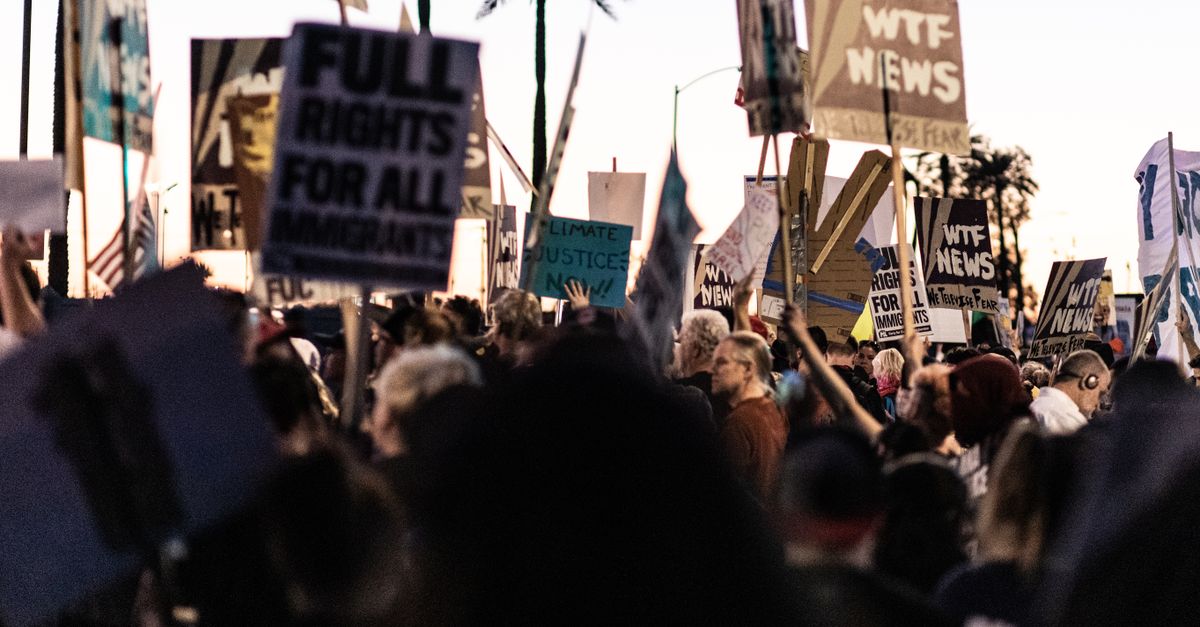
About PTI Reaffirms Support for KP Chief Minister Sohail Afridi Amid Growing Uncertainty
Introduction
In early October 2026, Pakistan Tehreek‑e‑Insaf (PTI) issued a clear statement that Sohail Afridi remains the chief minister of Khyber Pakhtunkhwa (KP) despite a wave of internal questioning and external pressure. The reaffirmation comes at a time when the province is under governor’s rule, the KP Assembly has been suspended, and several PTI leaders—including Afridi—have been placed in protective custody. This article examines the political implications of PTI’s renewed backing, the practical challenges Afridi faces in governing a province under emergency measures, and how the episode could shape provincial stability and the upcoming general elections.
Background: Afridi’s Position and Recent Developments
- PTI’s public endorsement – Dawn reported that PTI reaffirmed Afridi’s status as chief minister despite “internal doubts” within the party. The party also claimed that Afridi enjoys Imran Khan’s personal backing.
- Protective custody claims – Federal Information Minister Attaullah Tarar told Dunya News that Afridi is in protective custody, not arrested, after PTI alleged his detention. The same statement noted that the KP Assembly’s status is suspended and a new administrative setup will run the province.
- Governor’s rule – Following a federal demand that PTI replace Afridi for alleged security failures, the centre imposed emergency measures and placed KP under governor’s rule. Governor Faisal Karim Kundi now oversees provincial administration with an advisory council.
- Long March dynamics – PTI’s long‑march protest demanding the release of Imran Khan continues across the province. Afridi has been the visible face of the march, leading rallies in Khyber and preparing for a major gathering in Peshawar.
- Federal criticism – Federal ministers, including Dr Tariq Fazal Chaudhry, have accused Afridi’s government of insufficient cooperation in anti‑terrorism efforts, linking the lack of coordination to the emergency declaration.
These events create a volatile mix of party loyalty, security concerns, and constitutional maneuvering.
Why PTI’s Backing Matters
- Party cohesion – PTI’s internal factions have been divided over whether to keep Afridi in office. A public endorsement signals an attempt to unify the party’s provincial apparatus ahead of the long march and upcoming elections.
- Negotiating leverage – By insisting that Afridi remains chief minister, PTI signals to the federal government that it will not concede a key provincial post without broader concessions, such as the release of Imran Khan or a rollback of governor’s rule.
- Electoral calculus – KP is a traditional PTI stronghold. Maintaining Afridi as the face of the provincial government helps the party preserve its grassroots network, which could be decisive in the 2027 general elections.
- Public perception – The image of a chief minister under protective custody can be framed as martyrdom by PTI supporters, reinforcing the narrative of federal overreach.
Governance Challenges Under Emergency Rule
Even with PTI’s backing, Afridi’s ability to govern is severely constrained. The following challenges are immediate and tangible:
- Suspended assembly – Legislative functions are halted, limiting Afridi’s capacity to pass budgets, approve development projects or enact reforms.
- Administrative takeover – The governor’s advisory council now handles day‑to‑day governance, reducing the chief minister’s executive authority.
- Security pressures – Federal officials have accused the KP government of failing to curb terrorism, especially in twelve districts flagged for heightened militant activity. Any perceived security lapse could justify further federal intervention.
- Legal vulnerability – Discussions in media outlets such as Third Umpire suggest the possibility of legal disqualification or removal of Afridi if the courts find procedural violations in his appointment.
- Public unrest – The long march has mobilised large crowds, but also heightened the risk of clashes. PTI’s claim that PTI workers planned to set fire to the Governor House, though unverified, adds to the volatility.
Potential Scenarios for Provincial Stability
| Scenario | Likelihood | Key Drivers | Possible Outcomes |
|---|---|---|---|
| Status quo persists – PTI keeps Afridi, governor’s rule continues | Moderate | PTI’s internal consensus, federal reluctance to deepen crisis | Continued administrative limbo, limited policy action, prolonged protests |
| Afridi is replaced – PTI yields to federal demand | High | Federal pressure, security concerns, internal PTI dissent | New chief minister appointed, possible easing of emergency measures, PTI loses some grassroots momentum |
| Judicial intervention – Court orders removal or reinstatement of assembly | Low to moderate | Legal challenges, constitutional petitions filed by opposition | Re‑activation of assembly or further centralisation of power, depending on verdict |
| Escalation to violence – Clashes between PTI supporters and security forces | Low | Provocative rhetoric, uncontrolled rallies, miscommunication | Casualties, stricter security clamp‑down, possible imposition of martial law |
Electoral Implications
- Vote‑bank retention – KP contributed a significant share of PTI’s 2023 victory. If Afridi is removed, PTI risks alienating local cadres who view him as a symbol of resistance.
- Opposition opportunities – The Pakistan Peoples Party (PPP) and Pakistan Muslim League‑N (PML‑N) could exploit the crisis by positioning themselves as the “stable” alternative, especially if they can demonstrate a coherent security plan.
- Campaign narrative – PTI’s long‑march narrative frames the federal government as authoritarian. Maintaining Afridi reinforces that storyline, potentially energising younger voters.
- Constituency‑level effects – Many PTI legislators in KP have been placed in protective custody, weakening their ability to campaign. The party will need to rely on local party workers and digital outreach.
Actionable Steps for Stakeholders
-
For PTI leadership
- Consolidate internal communication to prevent mixed messages about Afridi’s status.
- Develop a contingency plan for a possible replacement, ensuring a smooth transition that preserves the party’s provincial network.
- Leverage the protective‑custody narrative to rally supporters while avoiding incendiary language that could invite security crackdowns.
-
For the federal government
- Clearly articulate security concerns with evidence, to avoid accusations of political motivation.
- Offer a mediated dialogue with PTI to address the governor’s‑rule issue, potentially through an independent commission.
- Ensure any legal actions against Afridi follow due‑process standards to maintain constitutional credibility.
-
For civil society and observers
- Monitor the legal proceedings surrounding the suspension of the KP Assembly.
- Document any human‑rights concerns linked to protective custody or alleged arrests.
- Provide neutral platforms for dialogue between PTI, the federal government, and opposition parties.
Risks and Limitations
- Information gaps – Many statements from PTI and federal officials remain unverified; the exact legal status of Afridi’s custody is still developing.
- Rapidly shifting dynamics – The long march’s schedule, federal responses, and court rulings could alter the political landscape within days.
- Security volatility – Any escalation in militant activity could justify further federal intervention, sidelining political negotiations.
Conclusion
PTI’s decision to publicly back Sohail Afridi as KP chief minister is a high‑stakes move aimed at preserving party unity and maintaining a foothold in a key provincial stronghold. However, the chief minister’s authority is severely curtailed by governor’s rule, a suspended assembly, and mounting federal criticism over security. The coming weeks will test PTI’s ability to balance loyalty to Afridi with pragmatic concessions, while the federal government must weigh the political cost of a prolonged emergency against security imperatives. How this standoff resolves will have direct consequences for provincial stability and could shape the narrative and vote‑bank dynamics heading into Pakistan’s next general election.
The situation remains fluid; readers should follow reputable news outlets for updates.
Original source or publisher — consult this source for current information.