Rising Diesel Prices Threaten the U.S. Trucking Industry and Supply Chain
KM Afaq ·
Rising Diesel Prices Threaten the U.S. Trucking Industry and Supply Chain — Explore how soaring diesel prices are hurting U.S. trucking, causing bankruptcies and higher freight costs, and what lessons Pakistan can learn from the crisis.
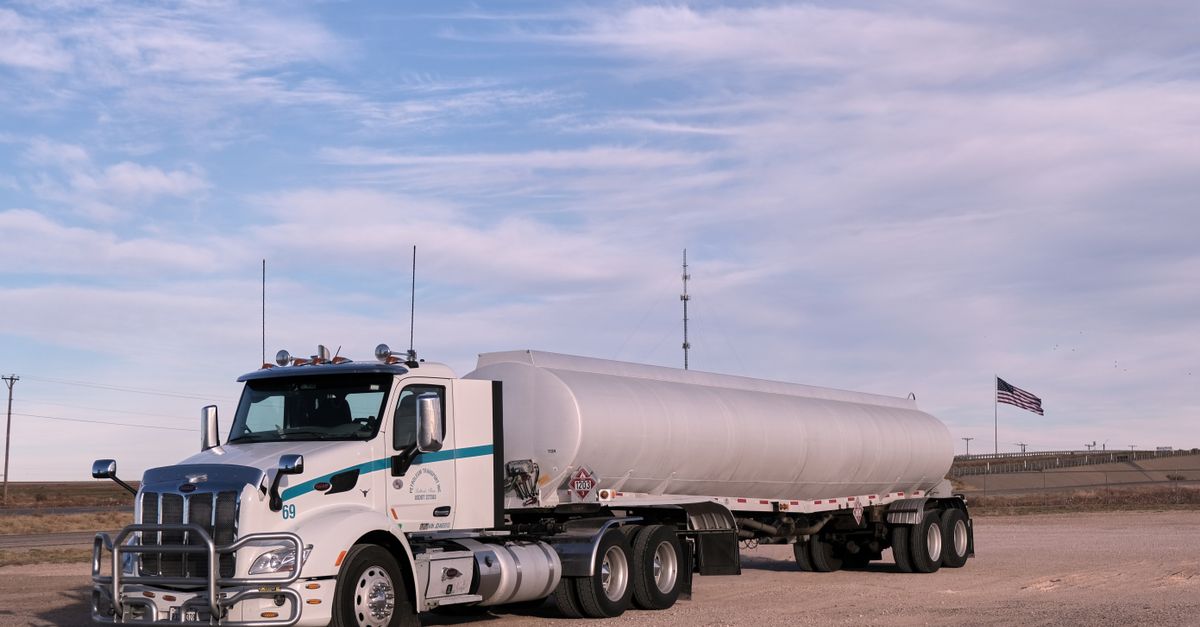
About Rising Diesel Prices Threaten the U.S. Trucking Industry and Supply Chain
Rising Diesel Prices Threaten the U.S. Trucking Industry and Supply Chain
Introduction
In late 2026, diesel prices in the United States climbed to levels unseen since the early 2000s. The spike, largely a consequence of heightened tensions between Iran and the U.S. and disruptions in global oil supply chains, has placed unprecedented pressure on the trucking sector. Independent hauliers, mid‑size fleets, and even large carriers are reporting margin erosion, while a wave of bankruptcy filings signals deeper systemic stress.
The ripple effect extends beyond the freight industry. Higher fuel costs translate into increased freight rates, which in turn push up prices for consumer goods. The situation mirrors fuel‑price challenges in Pakistan, where rising petrol and diesel prices have already strained logistics and household budgets. Understanding the U.S. experience can help stakeholders in Pakistan anticipate and mitigate similar shocks.
Diesel Price Surge: Causes and Current Levels
- Geopolitical trigger: Escalated Iran‑U.S. tensions in early 2026 disrupted oil exports from the Persian Gulf, tightening global supply.
- Supply‑chain bottlenecks: Reduced refinery throughput and logistical constraints in key shipping lanes added to cost pressures.
- Market response: Spot diesel prices in the U.S. reached an average of $3.90 per gallon in August 2026, up from $2.80 a year earlier—a 39 % increase.
- Regional variation: Coastal states such as California saw prices climb to $4.20 per gallon, while the Midwest hovered around $3.70.
These figures are consistent with reports from the U.S. Energy Information Administration and industry analyses published by FreightWaves and FIDI Focus.
Impact on the U.S. Trucking Industry
The trucking sector is highly fuel‑intensive; diesel accounts for roughly 40 % of operating costs for a typical long‑haul truck. The recent price surge has produced several immediate consequences:
| Effect | Description |
|---|---|
| Margin compression | Fuel costs now consume a larger share of revenue, squeezing profit margins for small and mid‑size operators. |
| Operational constraints | Some hauliers are reducing mileage or consolidating loads to keep costs manageable. |
| Capital strain | New trucks and maintenance budgets are harder to justify when fuel expenses rise sharply. |
| Safety concerns | Reduced budgets can lead to deferred maintenance, potentially increasing the risk of accidents. |
The cumulative strain has pushed many firms toward insolvency.
Bankruptcy Wave
From late August to mid‑September 2026, at least 12 trucking companies filed for Chapter 11 protection. Notable cases include:
- Xoco Transport: Mid‑size fleet that struggled to meet lease obligations.
- Globemaster Logistics: Regional carrier that cited the combination of high diesel, softer freight demand, and rising overhead.
- Yellow Corp.: The largest U.S. trucking bankruptcy in history, underscoring the severity of the downturn.
Key drivers of these filings are:
- Expensive diesel: Directly increases operating costs.
- Soft freight demand: Economic uncertainty has reduced the volume of available loads.
- Escalating overheads: Insurance, driver wages, and regulatory compliance costs have risen.
Industry observers note that the sector is still recovering from the COVID‑19‑related disruptions of 2020‑2022, making it more vulnerable to sudden cost shocks.
Domino Effect on Freight Rates
When hauliers raise their fuel surcharges, freight shippers often pass those costs onto shippers. FreightWaves reports a 10‑15 % increase in average freight rates across several commodity categories during the same period.
Practical Implications
- Higher shipping costs for manufacturers and retailers.
- Reduced competitiveness for U.S. exporters who rely on timely deliveries.
- Potential supply‑chain bottlenecks if key routes become too expensive to operate.
Limitations and Risks
- Volatility: Diesel prices can fluctuate quickly; a sudden drop could reverse the crisis but also create uncertainty for long‑term planning.
- Regulatory uncertainty: Ongoing geopolitical developments may influence future supply‑chain stability.
Consumer Price Implications
The freight‑rate increase has a cascading impact on the retail sector. A simplified chain of events:
- Higher fuel cost → higher freight rate
- Higher freight rate → increased cost of goods (e.g., groceries, electronics)
- Increased cost of goods → higher consumer prices
Retail analysts estimate that consumer goods prices rose by 1.8 % in the third quarter of 2026, a figure that aligns with the inflationary pressure attributed to logistics costs.
Lessons from Pakistan
Pakistan’s logistics network has faced similar challenges when fuel prices rise. The parallels include:
- High fuel share of operating costs: In Pakistan, diesel can account for up to 30 % of a truck’s operating expenses.
- Limited financial buffers: Many local hauliers operate on thin margins and have little capacity to absorb sudden cost increases.
- Regulatory environment: Fuel subsidies are often temporary; long‑term solutions require structural changes.
Actionable Steps for Pakistani Stakeholders
- Diversify fuel sources: Encourage the use of alternative fuels (e.g., biodiesel blends) where feasible.
- Implement fuel‑efficiency programs: Driver training on eco‑driving and regular maintenance can reduce consumption.
- Strengthen financial planning: Build contingency reserves and explore hedging instruments for fuel costs.
- Advocate for policy support: Push for targeted subsidies or low‑interest loans to support the transport sector during shocks.
- Leverage technology: Use route‑optimization software to minimize mileage and avoid high‑tariff zones.
Practical Steps for U.S. Truckers
While the crisis is acute, hauliers can adopt several measures to protect their businesses:
- Fuel‑price hedging: Lock in forward contracts with fuel suppliers to stabilize costs.
- Load consolidation: Prioritize full truckload (FTL) shipments over less‑than‑truckload (LTL) to maximize fuel efficiency.
- Maintenance vigilance: Allocate a fixed percentage of revenue to routine maintenance to avoid costly breakdowns.
- Driver incentives: Offer performance bonuses tied to fuel‑efficiency metrics to encourage cost‑saving behaviors.
- Seek financial assistance: Explore government loan programs or industry‑specific grants aimed at mitigating fuel‑related losses.
These steps are not guaranteed to eliminate risk but can improve resilience against future fuel shocks.
Conclusion
The diesel‑price surge of 2026 has exposed the fragility of the U.S. trucking industry and the broader supply chain. Margin erosion, a surge in bankruptcies, and the upward pressure on freight and consumer prices illustrate the interconnectedness of fuel costs and economic health. Pakistan’s logistics sector, already sensitive to fuel price fluctuations, can learn from this episode by strengthening financial buffers, diversifying fuel sources, and advocating for supportive policy measures. Proactive adaptation will be key to weathering the next wave of fuel‑price volatility.
Image Prompt
A modern semi‑truck cruising along a coastal highway with a rising fuel gauge in the background, 16:9 aspect ratio, no logos or text.
Original source or publisher — consult this source for current information.