Introduction
The Saudi‑Pakistan Real Estate Expo, held in Lahore, spotlighted two flagship developments that could redefine Islamabad’s economic trajectory. The first, a Knowledge Economic City (KEC) in partnership with Saudi Arabia’s Madinah, aims to position the capital as a regional hub for research, technology, and innovation. The second, a sprawling safari park touted as Asia’s largest, seeks to combine conservation with tourism, creating a new attraction for both domestic and international visitors. Together, these projects promise to stimulate real‑estate demand, generate employment, and attract foreign direct investment.
Historical Context and Strategic Rationale
Islamabad’s growth has traditionally been driven by government institutions and a modest private‑sector presence. In recent years, the city has struggled to match the dynamism of Karachi and Lahore, especially in attracting multinational corporations. The KEC project responds to this gap by offering a dedicated zone that integrates smart‑city infrastructure, research institutes, and business parks. Saudi Arabia’s involvement brings not only capital but also a proven track record in large‑scale urban planning, as seen in the development of the King Abdullah Economic City.
The safari park, meanwhile, taps into a growing global trend of eco‑tourism. Pakistan’s rich biodiversity, coupled with limited large‑scale wildlife attractions, positions the park as a unique proposition. By offering a controlled environment for endangered species, the project aligns with international conservation standards while providing a revenue stream through tourism.
The Knowledge Economic City: Vision & Scope
- Strategic partnership: The joint venture between Islamabad’s municipal authorities and Saudi entities deepens bilateral ties and leverages Saudi expertise in urban design, renewable energy, and digital infrastructure.
- Location: The KEC is planned on the outskirts of Islamabad, covering several hundred acres. Its proximity to the capital’s main transport arteries—such as the Islamabad Expressway and the upcoming metro rail—ensures connectivity.
- Technology focus: The city will host research institutes, incubators, and innovation hubs, with a particular emphasis on information technology, biotechnology, and renewable energy. Smart‑city features—IoT‑enabled utilities, autonomous transport corridors, and digital governance platforms—are slated for phased implementation.
- Projected scale: While final figures are pending, the master plan includes up to 200,000 square metres of office space, 30,000 residential units, and dedicated zones for research parks and educational institutions.
- Economic alignment: The KEC aligns with Pakistan’s National Development Plan, which prioritises knowledge‑based industries and aims to increase the share of services in GDP.
Manhattan‑Style High‑Rise District
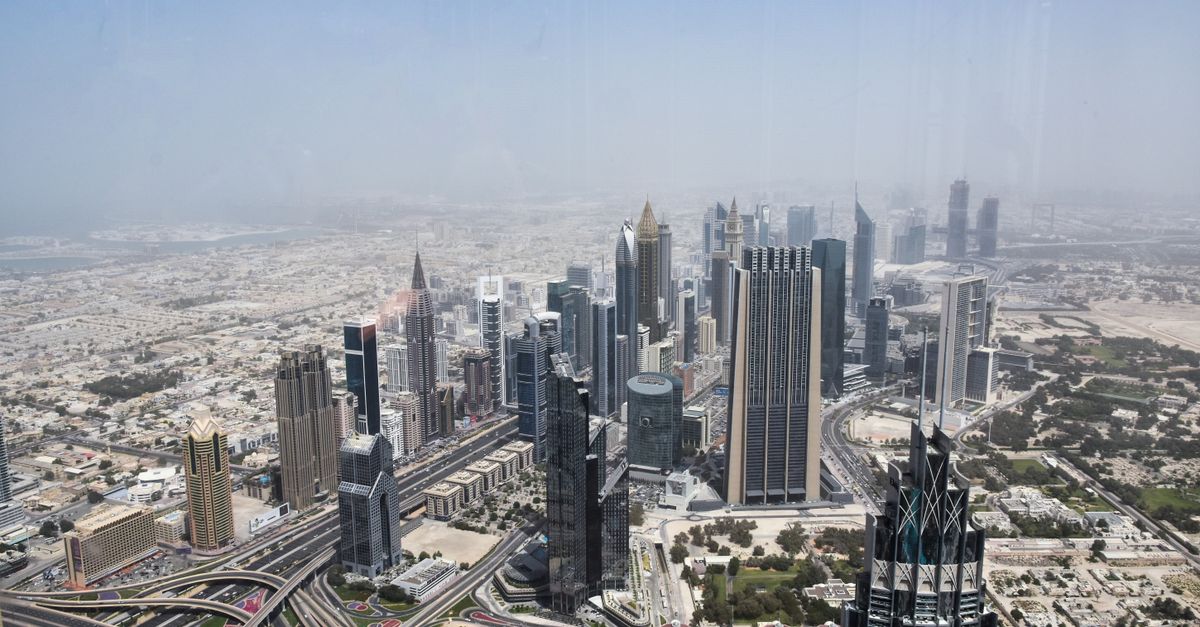
- Design concept: Drawing inspiration from New York’s skyline, the proposal envisions a cluster of high‑rise towers ranging from 30 to 45 stories, featuring mixed‑use developments that combine office, retail, and residential spaces.
- Target sectors: The towers are aimed at finance, information technology, and multinational corporations seeking a modern, well‑connected office environment.
- Residential component: Luxury apartments and serviced residences will cater to expatriates, diplomats, and affluent locals, offering amenities such as concierge services, fitness centres, and rooftop gardens.
- Infrastructure: Integrated transport links—including dedicated bus lanes, cycling paths, and pedestrian walkways—are planned to support a self‑contained urban ecosystem. Green spaces and public plazas will enhance livability.
Asia’s Largest Safari Park
- Size & scope: Covering over 1,000 acres, the park will house more than 2,000 animals across 50 species, including endangered mammals such as the Bengal tiger, Asiatic lion, and snow leopard.
- Tourism potential: With an estimated annual visitor capacity of 500,000, the park aims to become a flagship attraction for domestic and international tourists, complementing Pakistan’s existing heritage sites.
- Economic spill‑over: Hotels, restaurants, and retail outlets are expected to spring up around the park, creating a tourism corridor that could boost local economies and provide employment.
- Conservation focus: The park will collaborate with national wildlife authorities and international NGOs to ensure adherence to global conservation standards, including habitat restoration and anti‑poaching initiatives.
Economic Impact & Investment Opportunities
- Job creation: Construction of the KEC and high‑rise district alone could generate 20,000–30,000 jobs, while the safari park could add 5,000 permanent positions in wildlife management, hospitality, and retail.
- Real‑estate appreciation: Proximity to a knowledge hub and a major tourist attraction is likely to drive up land and property values in surrounding neighborhoods, benefiting existing homeowners and investors.
- Foreign direct investment (FDI): The Saudi partnership signals confidence from Gulf investors, potentially easing access to capital for Pakistani developers and encouraging further international participation.
- Technology spill‑over: The KEC will attract tech firms, fostering a startup ecosystem that could spill into the broader Islamabad region, creating a virtuous cycle of innovation and employment.
- Tourism revenue: The safari park’s international appeal could increase visitor spending, benefiting local businesses and contributing to the national economy.
Risks & Limitations
- Land acquisition: Securing clear titles for large tracts of land in Islamabad can be protracted, potentially delaying project timelines and inflating costs.
- Regulatory approvals: Environmental clearances for the safari park and zoning changes for high‑rise towers may face bureaucratic hurdles, requiring extensive stakeholder engagement.
- Financing challenges: While Saudi backing is strong, securing additional capital from local banks may be difficult if interest rates rise or if risk appetite diminishes.
- Market saturation: Islamabad already hosts several commercial developments; oversupply could depress rental yields and reduce the attractiveness of new projects.
- Environmental concerns: Large‑scale construction and a massive safari park raise questions about sustainability, wildlife displacement, and ecological balance, necessitating robust mitigation plans.
Actionable Next Steps for Investors
- Conduct due‑diligence: Verify land titles, environmental assessments, and regulatory approvals before committing capital.
- Engage local partners: Collaborate with established Pakistani developers who understand the legal, cultural, and market nuances.
- Explore joint‑venture structures: Leverage Saudi expertise while mitigating risk through shared ownership and clear governance frameworks.
- Assess financing options: Compare local bank loans, export credit agencies, and private equity for optimal capital structure and risk distribution.
- Monitor project milestones: Keep track of construction phases, occupancy targets, and revenue projections to gauge progress and adjust strategies.
- Consider sustainability certifications: Green building standards such as LEED or BREEAM can enhance marketability, attract eco‑conscious tenants, and potentially unlock tax incentives.
Conclusion
The unveiling of Islamabad’s Knowledge Economic City, Manhattan‑style high‑rise district, and Asia’s largest safari park marks a bold step toward diversifying the city’s economic base. If executed effectively, these projects could generate significant employment, elevate property values, and draw foreign investment—particularly from Gulf partners. However, investors must navigate land, regulatory, and market risks carefully. With thorough due‑diligence, strategic partnerships, and a commitment to sustainable development, the prospects for long‑term returns appear promising.