Section 144 in Rawalpindi: How Curbs on Gatherings Affect Civil Liberties and the Local Economy
KM Afaq ·
Section 144 in Rawalpindi: How Curbs on Gatherings Affect Civil Liberties and the Local Economy — Explore the impact of Section 144 in Rawalpindi on civil liberties and the local economy, with practical advice for residents and businesses.
About Section 144 in Rawalpindi: How Curbs on Gatherings Affect Civil Liberties and the Local Economy
Section 144 in Rawalpindi: Balancing Security, Freedom, and Commerce
On 23 September 2026 the district administration of Rawalpindi announced the enforcement of Section 144 of the Criminal Procedure Code for a period of ten days. The order was issued in response to intelligence reports that “elements” were mobilising to disrupt law and order. While the move aims to pre‑empt violence, it also raises pressing questions about the right to peaceful assembly and the economic health of a city that depends heavily on daily market activity.
What is Section 144?
- Legal provision – Section 144 empowers a magistrate to prohibit the assembly of five or more persons in a public place when there is a perceived threat to public peace, safety, or order.
- Typical restrictions – bans on processions, rallies, public meetings, and sometimes the use of loudspeakers or fireworks. Violations can attract fines or detention.
- Duration – The order is usually time‑bound; in Rawalpindi it has been set for ten days, with the possibility of extension if the security situation does not improve.
The provision is routinely used across Pakistan during elections, religious festivals, or periods of heightened political tension.
Why Rawalpindi? The Security Rationale
According to the Dawn report, the provincial government received credible information that organised groups were planning to “mobilise” and potentially clash with law‑enforcement agencies. The same source indicated that the threat was not limited to Rawalpindi alone; neighbouring districts such as Attock, Jhelum and Mianwali were also placed on high alert, and the Punjab government requested the deployment of Rangers to assist the police.
Key points from the official notice:
- The order applies to all public places within the revenue limits of Rawalpindi district, including the Red Zone.
- Gatherings of five or more people are prohibited.
- Processions, rallies, and demonstrations are expressly banned.
- The administration warned that any breach could “endanger human life and safety” and “lead to a riot”.
These statements reflect a precautionary approach rather than a reaction to an ongoing incident. The security apparatus, including three companies of the Pakistan Army, has already been stationed in the area for “sensitive security duties”.
Implications for Civil Liberties
Restrictions on Freedom of Assembly
- Legal vs. practical – While Section 144 is a lawful instrument, its broad wording can be interpreted to limit even peaceful gatherings such as community meetings, religious prayers, or informal protests.
- Chilling effect – Citizens may self‑censor out of fear of detention, especially activists and journalists who rely on public spaces to disseminate information.
- Limited recourse – Challenging a Section 144 order requires filing a petition in the High Court, a process that can be lengthy and costly for ordinary residents.
Impact on Political Expression
- The order coincides with the PTI’s announced long march demanding the release of its leader, Imran Khan, who is incarcerated in Rawalpindi’s Adiala jail. While the administration cites “illegal assemblies”, the timing fuels speculation that the measure also aims to curb political mobilisation.
- Opposition parties and civil‑society groups have called for a transparent review of the order, urging authorities to balance security with constitutional rights.
Economic Ripple Effects in Rawalpindi
Rawalpindi’s economy is a blend of formal retail, informal street vending, and a bustling service sector that caters to commuters travelling to and from Islamabad. The Section 144 order directly touches several economic nodes:
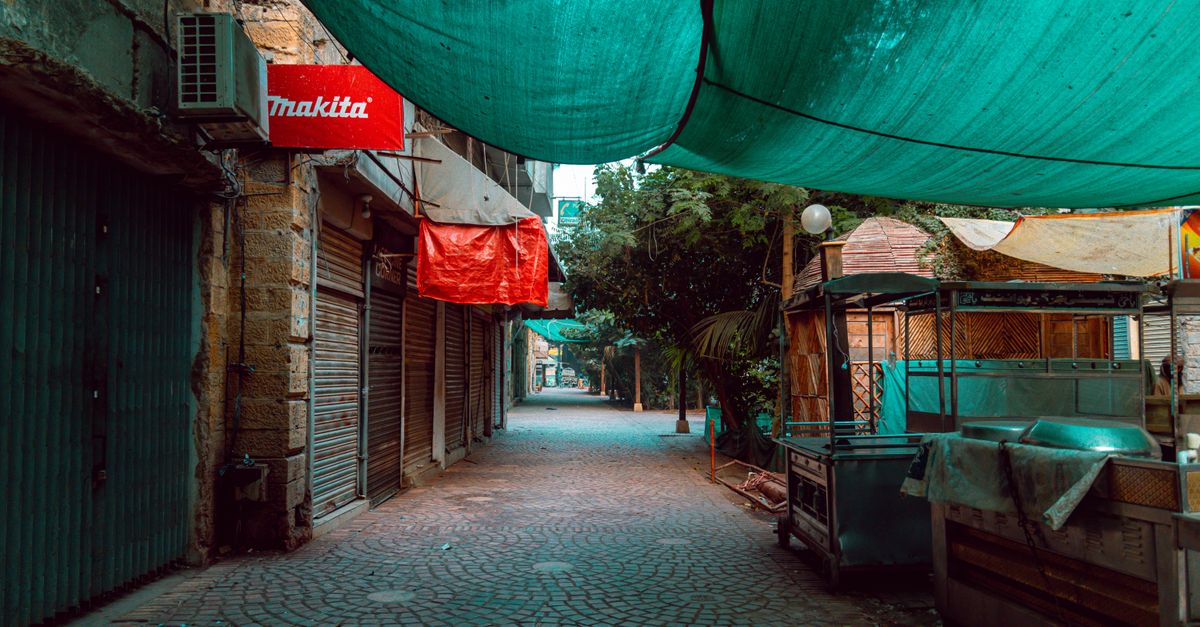
Street Vendors and Market Stalls
- Daily earnings loss – Vendors operating in popular bazaars such as Mansoor Bazaar and Raja Bazaar rely on foot traffic. A ban on gatherings reduces customer flow by an estimated 30‑40 % according to informal trader surveys.
- Perishable goods – Fruit and vegetable sellers face spoilage when they cannot sell their stock within the ten‑day window.
- Security barriers – Shipping containers and police barricades block access routes, further discouraging shoppers.
Transportation and Logistics
- Road closures – Major arteries like the GT Road (N‑5) and portions of the M‑1 motorway have been partially closed to prevent protest caravans. This hampers freight movement, leading to delayed deliveries for small manufacturers.
- Public transport – Bus services report lower occupancy, and commuters are forced to use costlier private taxis.
Service Industry
- Hospitality – Hotels and restaurants near the Red Zone have seen a dip in bookings, as business travellers avoid the area.
- Retail – Malls and shopping centres report reduced footfall, prompting some retailers to offer short‑term discounts to attract the limited pool of customers.
Broader Fiscal Impact
- Tax revenue – Municipal tax collections from market stalls and commercial licences are expected to fall, affecting local government budgets for sanitation and street lighting.
- Informal economy – The informal sector, which accounts for a sizable share of Rawalpindi’s GDP, is especially vulnerable because it lacks safety nets.
Business Community Response
Local chambers of commerce have issued statements urging the administration to:
- Provide clear timelines for lifting the restrictions.
- Allow limited, permit‑based gatherings for essential commercial activities.
- Facilitate alternative channels for political expression, such as online petitions or designated debate forums.
- Compensate vendors for losses where possible, perhaps through temporary subsidies.
Some businesses have already adapted by:
- Shifting sales to online platforms and WhatsApp groups.
- Offering home delivery services to retain customers.
- Organising pop‑up stalls in areas not covered by the Section 144 order.
Practical Advice for Residents and Entrepreneurs
For Citizens
- Stay informed – Follow official notifications from the Rawalpindi District Administration and the Punjab Police.
- Carry identification – If you must travel for essential reasons, keep a valid ID and any permission letters issued by security authorities.
- Know your rights – Section 144 does not permit arbitrary arrests; any detention must be based on a clear breach of the order.
- Use digital avenues – Participate in civic debates through verified social‑media channels or email petitions.
For Small Business Owners
- Document losses – Keep receipts and inventory records; these will be useful if you later apply for any relief schemes.
- Explore permits – In some cases, the administration may grant limited permits for essential trade; inquire early.
- Leverage community networks – Form cooperatives with neighboring vendors to share resources and negotiate collective support from local authorities.
- Plan for contingencies – Diversify sales channels (online, delivery) to reduce reliance on foot traffic.
Looking Ahead: What Could Change?
- Extension or relaxation – The ten‑day order may be extended if the security assessment remains negative, or it could be lifted earlier if intelligence indicates a reduced threat.
- Judicial review – Civil‑society groups have hinted at filing a petition in the Lahore High Court, which could result in a partial suspension of the ban.
- Political developments – The outcome of the PTI long march and any subsequent negotiations with the government will likely influence the duration of the restrictions.
- Economic mitigation – Provincial authorities may announce short‑term relief packages for affected traders; keeping an eye on official press releases is advisable.
Conclusion
The deployment of Section 144 in Rawalpindi reflects a delicate balancing act between preventing potential unrest and preserving fundamental freedoms. While the security rationale is backed by intelligence reports, the blanket prohibition on gatherings has tangible repercussions for civil liberties and the city’s vibrant informal economy. Residents and entrepreneurs can mitigate some of the adverse effects by staying informed, using digital platforms for expression, and seeking permissible avenues for trade. Ultimately, a transparent review process and targeted economic support will be essential to ensure that the measure does not erode public trust or cripple the local market beyond the period of genuine security need.
Original source or publisher — consult this source for current information.