Why Syria Is Eyeing Saudi Arabia’s Mutual Defence Pact Amid the Yemen War
KM Afaq ·
Why Syria Is Eyeing Saudi Arabia’s Mutual Defence Pact Amid the Yemen War — Syria’s interest in Saudi Arabia’s defence pact amid the Yemen war could reshape Middle‑East security and affect Pakistan’s diplomatic calculations.
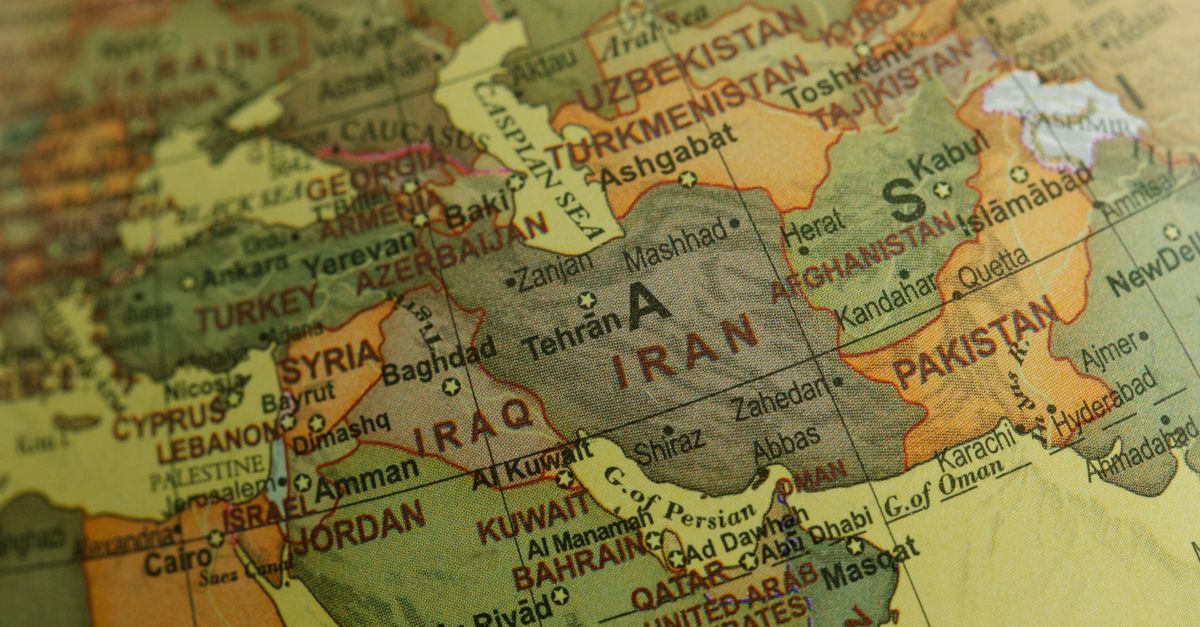
About Why Syria Is Eyeing Saudi Arabia’s Mutual Defence Pact Amid the Yemen War
Introduction
The ongoing war in Yemen has once again drawn regional powers into a complex web of alliances and rivalries. In late October 2026, Syrian Foreign Minister Faisal Mekdad announced that Damascus is weighing entry into the Saudi‑led mutual defence agreement, commonly referred to as the Makkah (Mecca) Pact. The statement, reported by The New York Times, Al Jazeera and Dawn, comes as Saudi Arabia, the United Arab Emirates and other Gulf states seek to consolidate security cooperation against perceived Iranian influence.
For observers, Syria’s potential shift raises several questions: What does Damascus hope to gain? How might the pact alter the balance of power in the Middle East? And what are the implications for Pakistan, a close security partner of Saudi Arabia?
Strategic motivations behind Syria’s interest
Syria’s foreign policy has been dominated by isolation since the civil war began in 2011. Re‑engaging with the Arab world is now a priority for the Assad regime. The Makkah Pact offers a pathway to achieve several strategic objectives:
- Political rehabilitation – Joining a high‑profile Arab defence arrangement could help Damascus regain credibility within the Arab League and signal a break from its previous alignment with Iran.
- Security guarantees – The pact promises collective defence against external aggression. For Syria, this could deter any future Israeli strikes or covert operations by regional rivals.
- Economic relief – Membership may unlock access to Saudi‑funded reconstruction projects, humanitarian aid, and investment pipelines that have stalled due to sanctions.
- Leverage in the Yemen conflict – By aligning with Riyadh, Damascus could influence negotiations over Yemen’s future, potentially securing concessions for its own strategic interests.
- Balancing Iran – While Iran remains a key ally, the Syrian leadership appears to be hedging its bets, seeking a more diversified set of partners to avoid over‑reliance on Tehran.
How the pact could reshape regional security dynamics
If Syria formally joins the Makkah Pact, the security architecture of the Middle East could experience a notable shift. The following points outline possible outcomes:
- Realignment of alliances – A Syrian‑Saudi security tie would blur the traditional Sunni‑Shia divide that has framed regional politics for decades. It could encourage other states to reconsider rigid bloc affiliations.
- Pressure on Iran‑Syria ties – Tehran may view Damascus’s move as a betrayal, potentially leading to diplomatic friction or a recalibration of Iranian support to the Syrian regime.
- Impact on the Yemen war – Saudi Arabia’s coalition could benefit from Syrian intelligence, logistical support, or even a symbolic boost in legitimacy. Conversely, Iran‑backed Houthi forces might intensify attacks, viewing the expanded pact as an escalation.
- Broader deterrence posture – The pact, already linked to a joint defence agreement with Pakistan signed on August 7, 2026, creates a multi‑layered deterrent that could dissuade external interference from powers such as the United States or Israel.
- Energy market volatility – While not directly linked to the pact, heightened tensions often influence oil prices. Recent reports note that oil has risen toward US$120 per barrel amid regional escalation fears.
Implications for Pakistan’s diplomatic and security calculations
Pakistan maintains a long‑standing strategic partnership with Saudi Arabia, anchored by defense cooperation, economic aid and a sizable expatriate community. The inclusion of Syria in the Makkah Pact introduces new variables for Islamabad:
- Reinforced trilateral security ties – Pakistan already signed a joint defence pact with Saudi Arabia (and the UAE) on August 7, 2026. Syria’s entry could deepen the security triangle, offering Pakistan broader intelligence sharing and operational coordination.
- Balancing act with Iran and China – Islamabad must manage its relationships with Tehran and Beijing, both of which have vested interests in Syria. A Syrian‑Saudi alignment may compel Pakistan to articulate a more nuanced stance to avoid alienating these partners.
- Economic opportunities – A stable Syrian market, backed by Saudi investment, could open avenues for Pakistani contractors, especially in reconstruction, energy and infrastructure.
- Domestic political considerations – Pakistani public opinion is sensitive to Middle‑East developments, particularly regarding the Yemen war and the plight of Pakistani workers in Saudi Arabia. The government will need to communicate any policy shifts transparently.
Potential risks and uncertainties
While the strategic logic appears compelling, several risks could temper Syria’s enthusiasm:
- Domestic backlash – Syrian citizens, weary after years of conflict, may view alignment with a wealthy Gulf coalition skeptically, especially if it does not translate into tangible improvements.
- Escalation of hostilities – Iran could respond with increased support to proxy groups in Iraq, Lebanon or Yemen, raising the spectre of a broader regional confrontation.
- International scrutiny – Western nations, particularly the United States and the European Union, monitor any expansion of Saudi‑led defence frameworks closely. Sanctions or diplomatic pressure could accompany Syria’s move.
- Implementation challenges – The Makkah Pact’s operational mechanisms remain opaque. Integrating Syrian armed forces, command structures and legal frameworks could prove complex.
Actionable steps for policymakers and analysts
- Monitor official statements – Track announcements from the Syrian foreign ministry, Saudi defence ministry and the joint Saudi‑Pakistani pact secretariat for concrete details on membership criteria.
- Assess intelligence sharing protocols – Evaluate how Syrian participation could affect existing intelligence channels between Pakistan and Saudi Arabia.
- Engage in diplomatic outreach – Pakistan should consider low‑key diplomatic engagement with Tehran to reassure it of continued cooperation, mitigating the risk of a diplomatic fallout.
- Prepare contingency plans – Security establishments in the region should develop scenarios that account for a possible Syrian entry, including escalation pathways and de‑escalation mechanisms.
- Public communication strategy – Governments in Pakistan and Saudi Arabia need to articulate the benefits of the expanded pact to domestic audiences, emphasizing stability and economic prospects.
Conclusion
Syria’s contemplation of joining Saudi Arabia’s mutual defence pact reflects a pragmatic turn in Damascus’s foreign policy, driven by a desire for political rehabilitation, security guarantees and economic relief. If realized, the move could reshape Middle‑East security dynamics, adding a new layer to the Saudi‑Pakistani defence partnership and prompting a recalibration of Iran‑Syria relations. For Pakistan, the development offers both opportunities—enhanced cooperation and economic prospects—and challenges, notably the need to balance ties with Iran and China. As the Yemen war continues to test regional cohesion, the coming weeks will reveal whether Syria’s interest translates into formal membership and how the broader geopolitical chessboard will adjust.
Original source or publisher — consult this source for current information.